
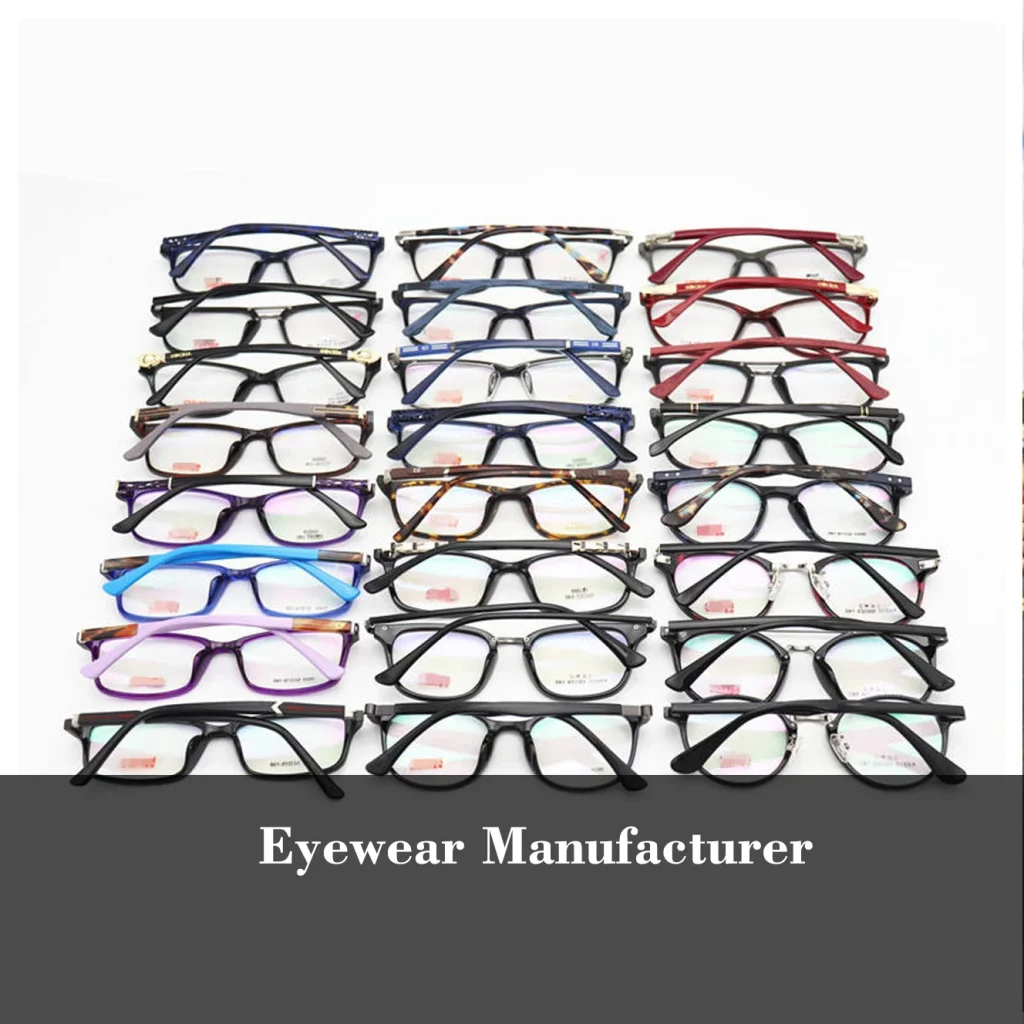
OEM & ODM • Optical & Sunglasses • Acetate • Metal • Titanium
Eyewear Manufacturer You Can Build On
When I first walked into our workshop, the scent of acetate and the hum of CNC cutters struck me. It wasn’t glamorous—but it was honest. That’s the foundation we’ve built our eyewear business on: real materials, skilled hands, and an understanding that frames are more than products—they’re personal identity.
We’ve been supporting global brands with eyeglass frames and sunglasses for over a decade. From bold acetates to ultra-light titanium, our job is to translate your vision into frames that make sense in the market. Small runs, custom bridges, eco-acetates—we’ve done them all.
If you’re also exploring sunwear, our sunglasses manufacturing line integrates perfectly with optical programs, and we coordinate with your lens lab when needed. For private programs, see Private Label Sunglasses.
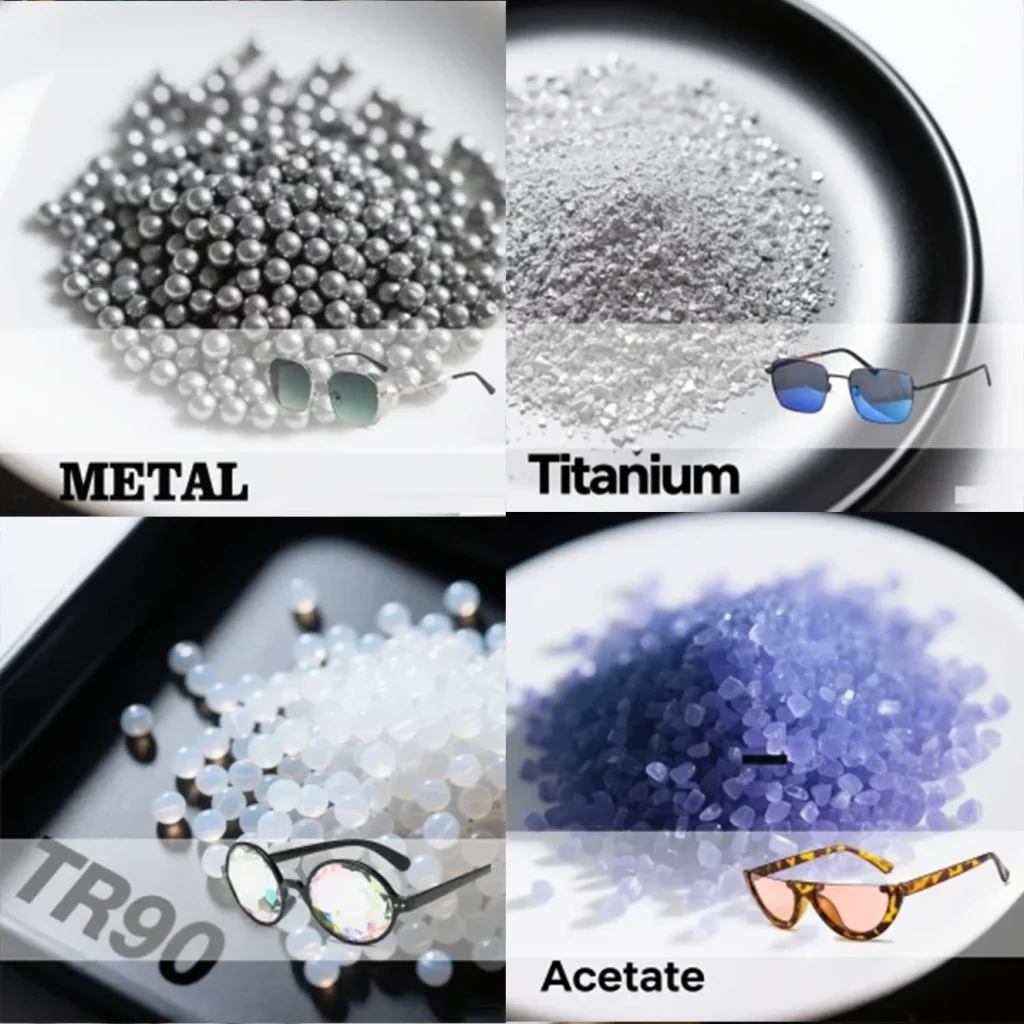
Materials We Work With
- Acetate. Deep colors, hand-polish finish. Designers love it for fashion lines.
- Metal. Stainless steel and monel for classic thin frames. Reliable and timeless.
- Titanium. Light, strong, and hypoallergenic. Perfect for premium series.
- TR-90. Flexible, durable, lightweight. A go-to for sports and youth markets.
- Eco options. Bio-acetates and recycled plastics. Demand is rising fast in Europe.
More on technical breakdown? Visit Materials & Technology.
Design & Co‑Development
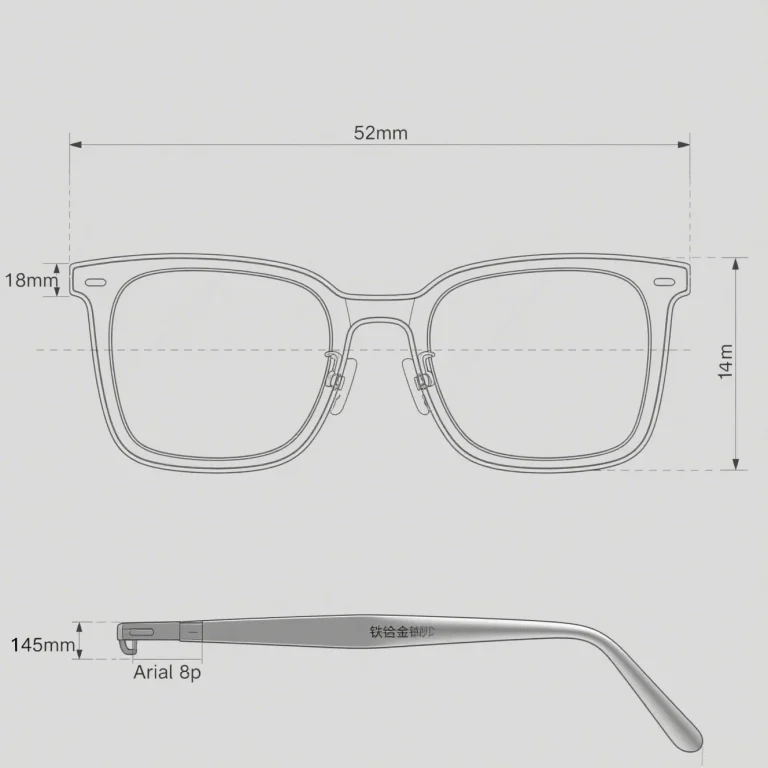
Some briefs are crystal clear. Others start as a mood board on a café napkin. We meet you where you are. Our team turns rough sketches into CAD, recommends hinge systems, and checks minimum blank sizes so your lenses glaze cleanly. We flag risk early—nose pad geometry, temple flexibility, screw choice—so you don’t discover surprises at retail.
What we provide:
- CAD & 3D prints for fit and aesthetics.
- Bill of Materials with clear options by cost tier.
- Color library: tortoise, crystal, gradients, bio-acetates.
- Hardware: riveted hinges, spring hinges, beta‑Ti options.
What you decide:
- Bridge feel and regional fit strategy.
- Temple core profile and thickness.
- Finish level: gloss, matte, brushed, sandblasted.
- Packaging style and brand story angle.
Looking for end‑to‑end support? Pair this with our Custom Service and a tight launch plan from Client case studies.
Fit Map by Region
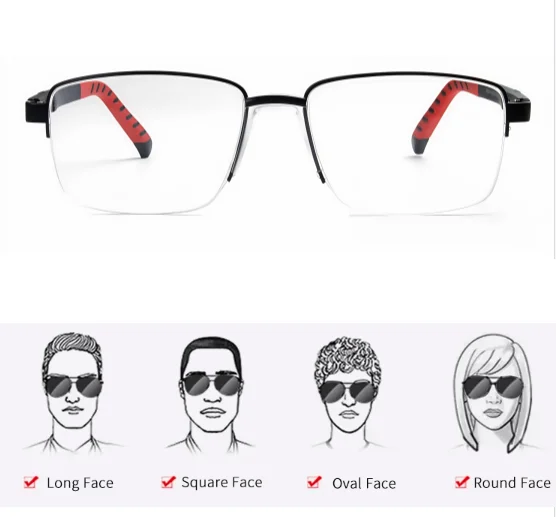
Face shapes vary by market. A frame that flies in Berlin may slip in Singapore. We tune bridges, pad arms, and temple lengths by region so your returns drop and reviews rise.
| Region | Bridge (optical) | Temple length | Notes |
|---|---|---|---|
| North America | 17–19 mm | 140–145 mm | Prefers wider fits; spring hinges popular. |
| Europe | 16–18 mm | 140 mm | Mixed styles; metal thin frames strong. |
| East Asia | 15–17 mm | 135–140 mm | Asian-fit bridges and higher pad heights help. |
| Middle East | 17–19 mm | 145 mm | Sunwear uptake high; gradient tints trend. |
We validate with wear tests, not just CAD. My rule: if a frame needs constant micro‑adjustments on the nose, it’s not finished yet.
Behind the Craft
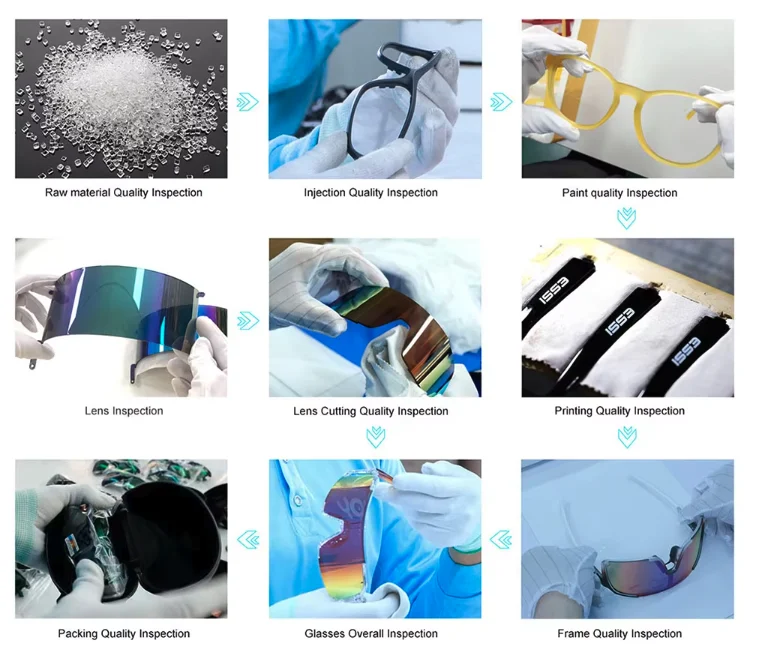
Every hinge screw, every polish pass, every curve adjustment—it’s human judgment. Machines cut, but hands decide. I remember a craftsman who spent 20 minutes adjusting the curve of a titanium temple, just to make sure it fit the contour of the cheekbone right. That detail is invisible on paper but priceless in real wear.
We combine CNC accuracy with old‑school hand finishing. That’s why our frames feel alive, not sterile. And when you hold them up to the light, you see not just a product, but a piece of design brought to life.
Stories From Our Clients
An indie brand in Canada came to us with just sketches and passion. They wanted thick acetate frames with a retro vibe but had no idea how to manage tolerances or hinges. Together, we prototyped four models, tested them in small runs, and within six months they were on boutique shelves in Toronto.
A European optician asked for titanium frames with ultra‑thin profiles but strong durability. After several trials, we developed a laser‑cut beta titanium temple that balanced strength and elegance. Customers kept saying the same thing: “I forget I’m wearing them.”
Sometimes it’s not about scale but solving quirky needs. A startup in Australia requested kids’ glasses that could survive playground chaos. We produced TR‑90 prototypes, ran them through stress tests, and the result? Parents wrote, “Finally, glasses that survive more than two months.”
More success stories on our Case Studies page.

Quality & Compliance, Without Drama
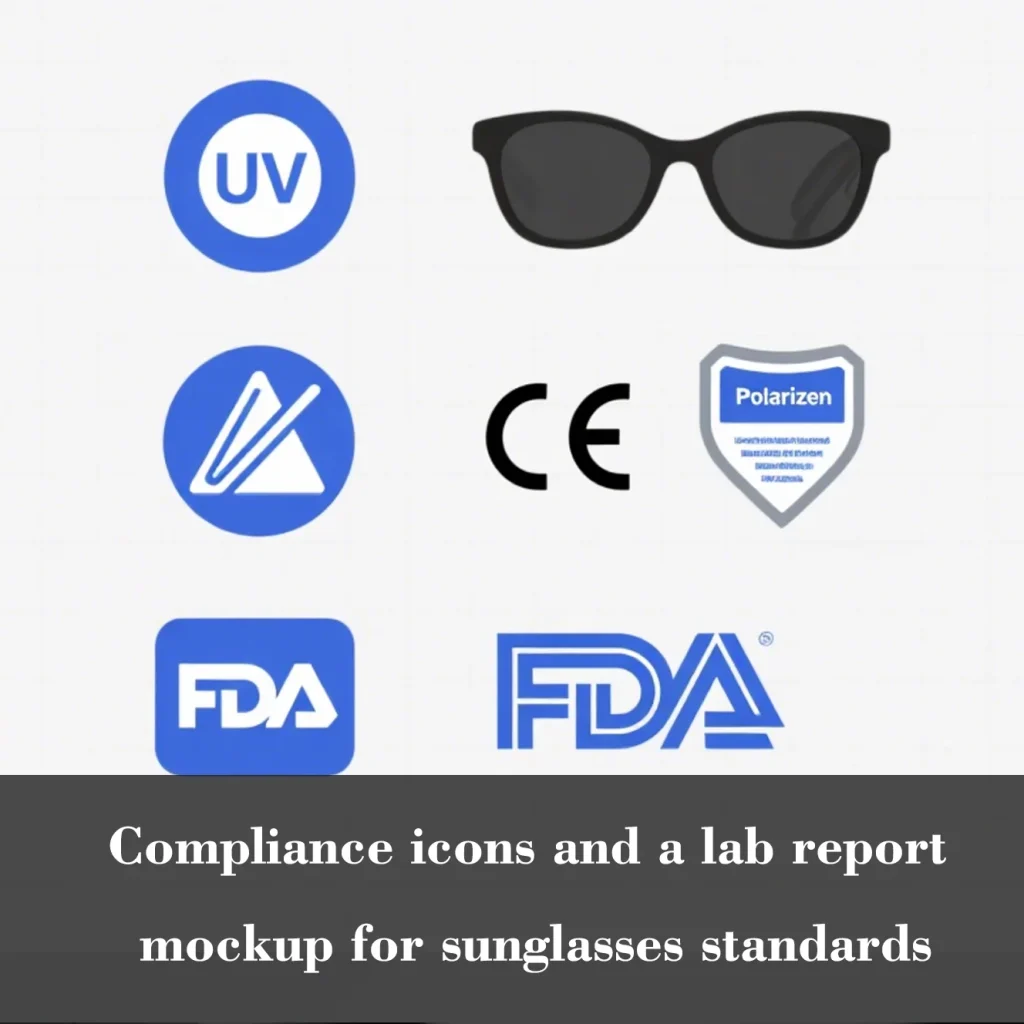
We test early and test often. Hinge torque checks, salt‑spray for metal finishes, pad arm fatigue, and drop‑ball impact for sunwear. For compliance, we support programs targeting ISO 12870 and ANSI Z80.5 for ophthalmic frames, and ISO 12312‑1 and ANSI Z80.3 for sunglasses. Nickel release evaluations follow REACH guidance with EN 16128 methods where requested.
Paperwork matters too. We compile spec sheets, lot traceability, and packaging checklists so your QA team doesn’t chase emails. When needed, we arrange third‑party testing. The goal is simple: no surprises at customs or on the shelf. See Quality & Certification for our approach.
Operations & Lead Time
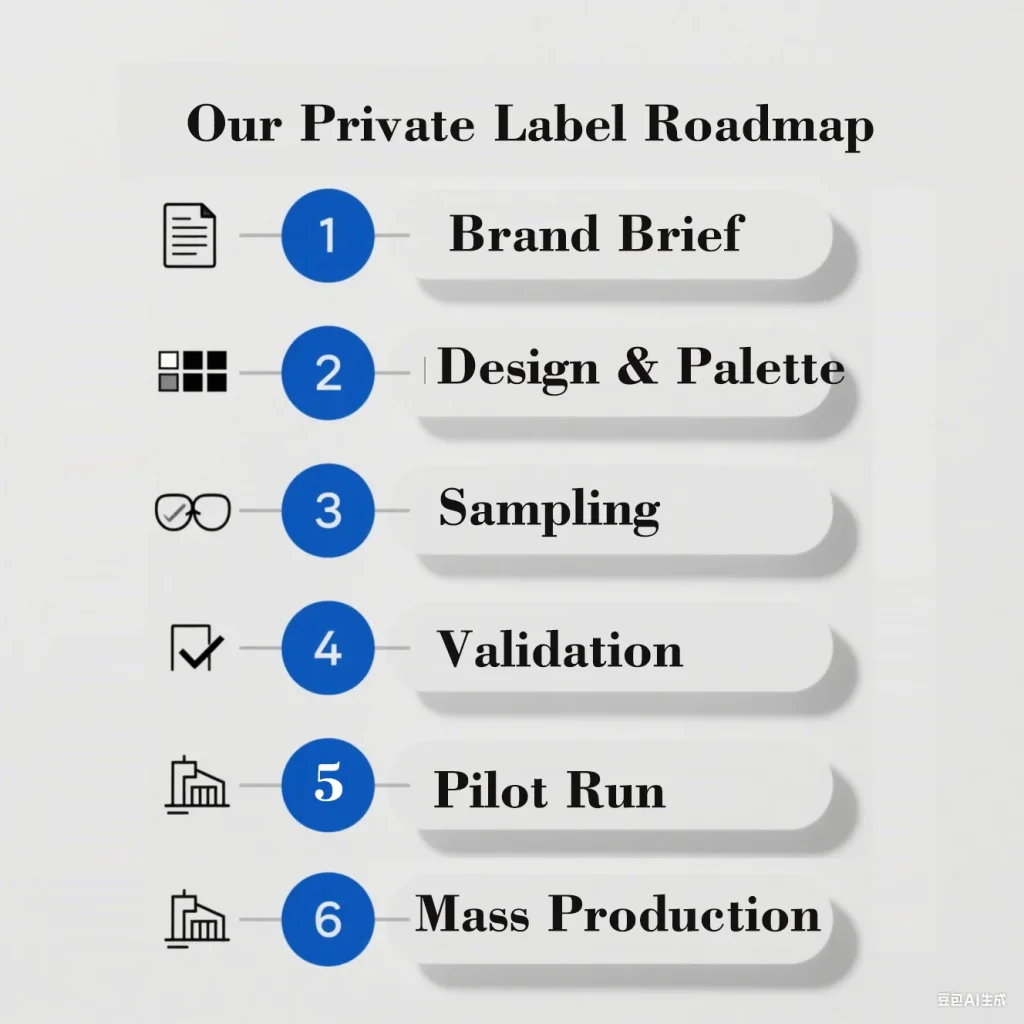
- Design lock‑in (1–2 weeks). CAD, colorways, BOM.
- Prototyping (2–4 weeks). Hand‑made samples, fit tweaks.
- Pilot run (2 weeks). Validate process, confirm QC gates.
- Mass production (4–6 weeks). Assembly, finishing, packing.
- Logistics (1–5 weeks). Air for launches, sea for scale.
We split shipments when it helps you hit retail dates. Some clients sync with marketing drops; others stage releases to test demand before re‑orders. Either way, we plan the calendar together.
Engineering Tolerances That Matter
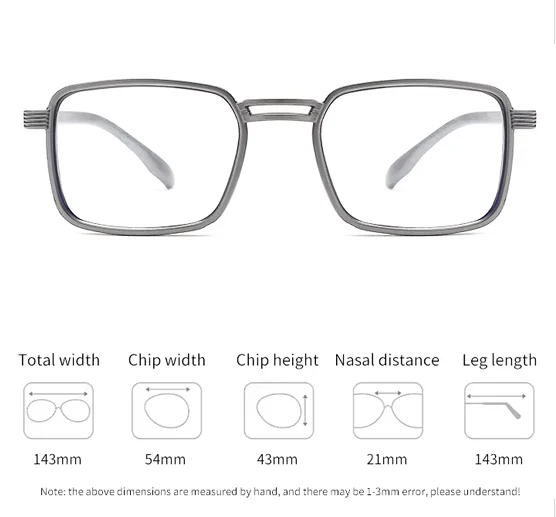
Great design fails without solid tolerances. We define clear limits so fit and function stay consistent from the first to the last unit.
| Parameter | Typical Tolerance | Notes |
|---|---|---|
| PD alignment (optical) | ±0.5 mm | Controls lens centration comfort. |
| Temple opening angle | ±3° | Consistent clamping force, better feel. |
| Bridge width | ±0.3 mm | Critical for nose comfort. |
| Hinge torque | Client spec window | We set min/max based on model. |
Numbers are nothing without wear tests. We always combine bench metrics with real‑face feedback.
Packaging & Merchandising
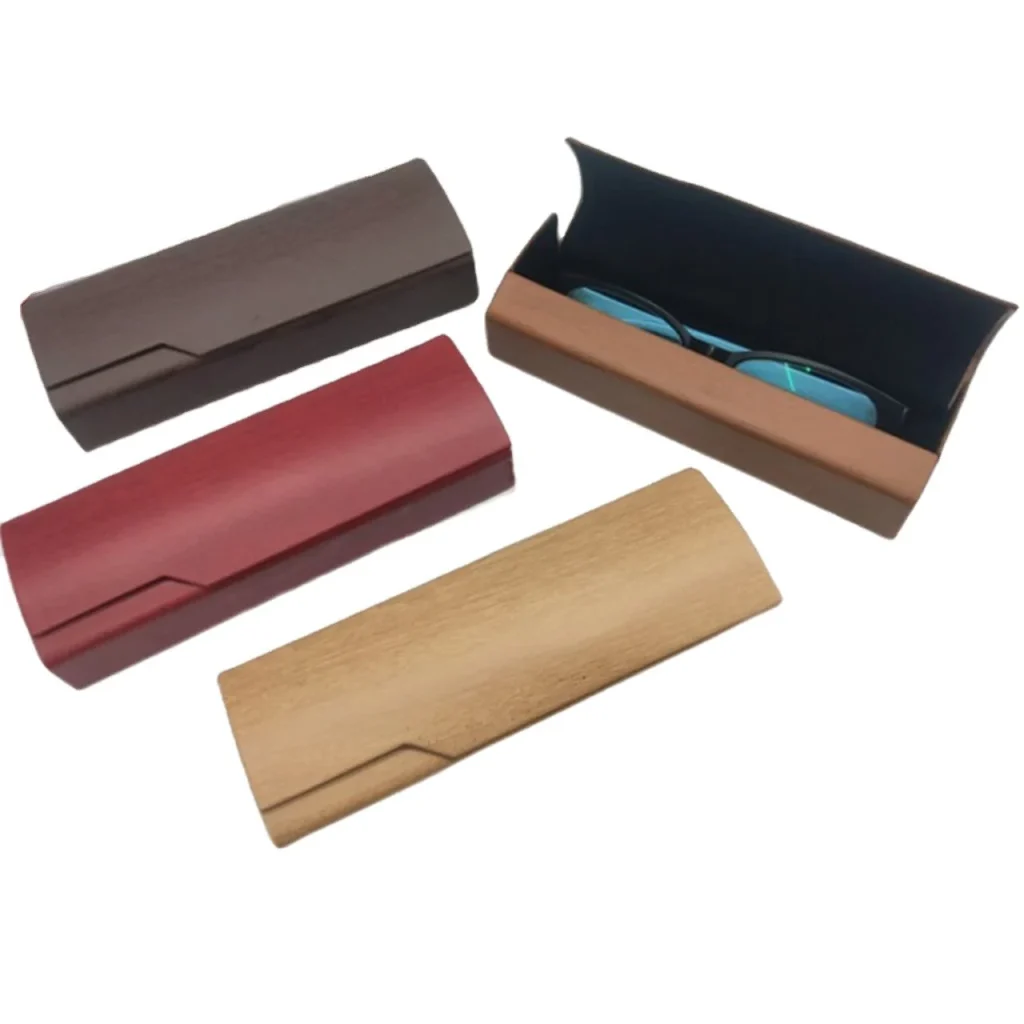
Unboxing sets the tone. We design cases, cloths, and inserts that match your brand and protect the product. For eco briefs, we switch to recycled paper, soy inks, and minimal plastics. We also supply barcode and SKU labels to fit your warehouse system, and POS display pieces for retail launches.
One client cut return rates by adding a small fit guide in the box. Another boosted UGC simply by printing a hashtag on the cloth wrapper. Tiny details, real impact.
Sustainability & Traceability
We believe better materials and clear records make better brands. Bio‑acetates, recycled metals, water‑polish options, and reduced‑waste cutting paths are all on the table. We maintain lot numbers for critical parts and keep sample retains so audits move faster.
If sustainability is core to your brand, let’s map a story that stands up to questions. We’ll align materials, packaging, and comms so your claims are solid. See product trend notes on Sunglasses Trends 2025.
Common Mistakes in Eyewear Projects
- Over‑complicating SKUs. Launching 15 colors at once drains budget. Start tight, grow later.
- Ignoring fit. A 17 mm bridge may look sleek, but if it pinches, customers won’t care about design.
- Choosing material by cost only. Cheap alloy bends; bad acetate cracks. Balance budget with durability.
- Skipping real wear tests. A frame on a CAD file isn’t the same as on a face. Prototype and field‑test.
- Neglecting packaging. Saving on boxes can mean scratched frames at retail. Presentation matters.
These insights came from hard days and happy launches. If we can help you dodge even one mistake, that’s worth it.
Where Eyewear Trends Are Headed
Minimalist titanium is hot in Asia. Bold chunky acetate sells strong in the US. Europe is embracing eco frames, with retailers even asking for documentation to prove it. I’ve watched indie brands build whole campaigns around eco‑acetate stories, and customers respond fast.
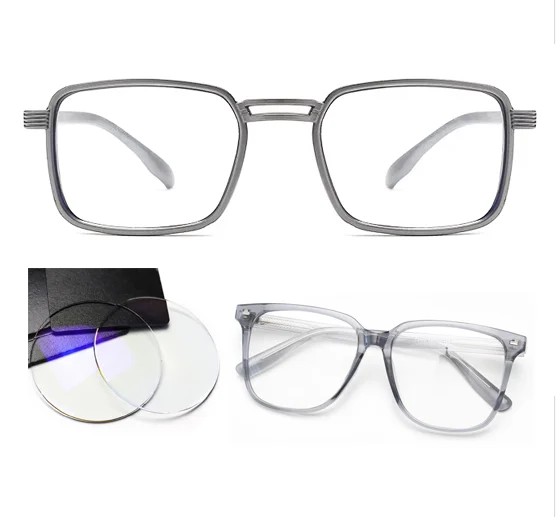
Blue light lenses keep growing, not only for digital workers but also as a fashion add‑on. Kids’ eyewear is finally being taken seriously, with parents investing in durable TR‑90 frames instead of toy‑like plastics. Customizable parts—swap fronts, magnetic clips—are moving from novelty to normal.
Our Manufacturing Process
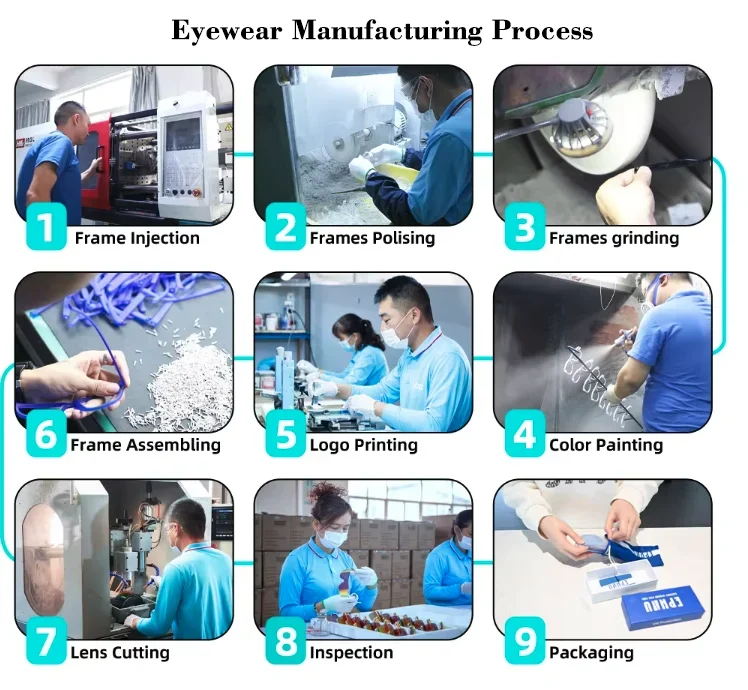
Transparency matters. We walk partners through every stage—design file checks, CNC cutting, hand polishing, assembly, QC, and packing. We use torque tests for hinges, salt‑spray tests for metal, and drop‑ball tests for sunwear impact resistance.
I often invite clients to video calls on the factory floor. They see machines humming, workers testing frames, and samples being boxed. One client said, “It feels like I’m part of the factory team.” That trust is what keeps partnerships long‑term.
We don’t hide mistakes either. If a batch comes out off‑color, we show it, analyze why, and fix it before mass production. Honesty may sting in the moment, but it saves relationships—and reputations—in the long run.
More Than Frames
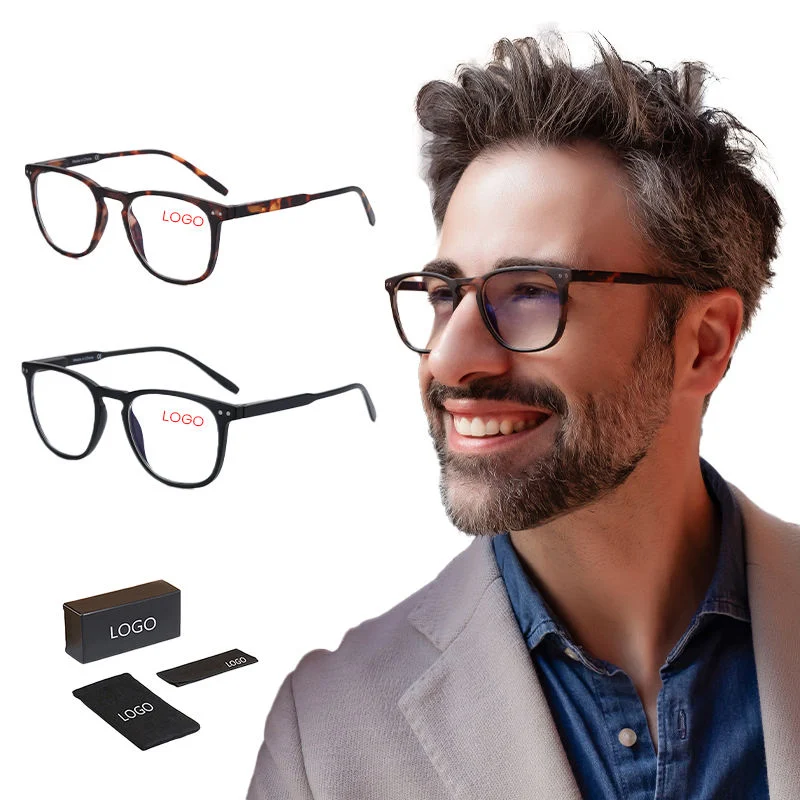
At the end of the day, an eyewear frame is not just acetate or titanium—it’s confidence, self‑expression, and daily comfort. I’ve watched people light up when they put on a frame that feels like “them.” That’s why we build. Not for catalogs, but for faces.
I once gave a sample to a friend who never liked wearing glasses. Two weeks later, he told me, “I forget I’m even wearing them.” That’s the highest compliment an eyewear manufacturer can get. Our goal is simple: frames that disappear in comfort, yet stand out in style.
FAQ: Eyewear Manufacturing
Can you do small MOQs?
Yes. For startups, we often begin with 200–300 pieces per style. It keeps risk low and learning high.
Do you handle both optical and sunglasses?
Absolutely. Many clients run both categories under one brand. We adjust base curves, materials, and coatings accordingly. For sunwear programs, see Sunglasses Manufacturer.
Can you help with certifications?
Yes. We provide internal lab data and third‑party test reports. See Quality & Certification.
Do you ship globally?
Yes, we coordinate logistics to North America, Europe, and Asia. Some clients use their own forwarders, others rely on our shipping team.
Can you support RX sunglasses?
We manufacture the frames and coordinate with lens labs or your partner. For a deep dive, check Prescription Sunglasses.
What about design confidentiality?
NDA is standard. Your CAD files and prototypes stay in closed projects. Trust is the base of our work.
Let’s Build Your Eyewear Collection
Tell us your market, your style, your challenges. We’ll guide materials, fit, and production until your frames are in your customers’ hands.