
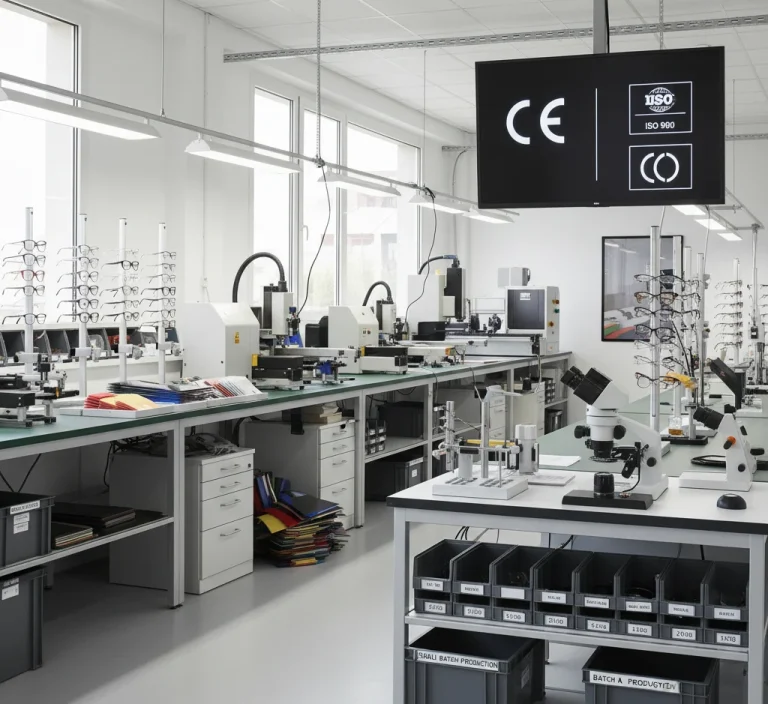
Design • Quality • Compliance
Eyewear Manufacturer Europe — Practical Guide for Brands
Europe hosts diverse eyewear clusters. You find small workshops in Italy, precision labs in France, and tech-driven factories in Eastern Europe. Each offers different strengths. This page helps you decide which partner fits your product, budget, and timeline.
Why Europe for Eyewear Manufacturing?
Many brands pick Europe for quality and proximity to markets. European factories often follow strict product standards. They offer fast sampling and tighter QA. They also make it easier to ship to EU retailers. If your brand sells in Europe, local manufacturing reduces delays and compliance work.
Buying from a European sunglasses factory brings visible benefits. You shorten transit. You support local design. You can claim shorter supply chains to sustainability-minded customers. These are real advantages in today’s market.
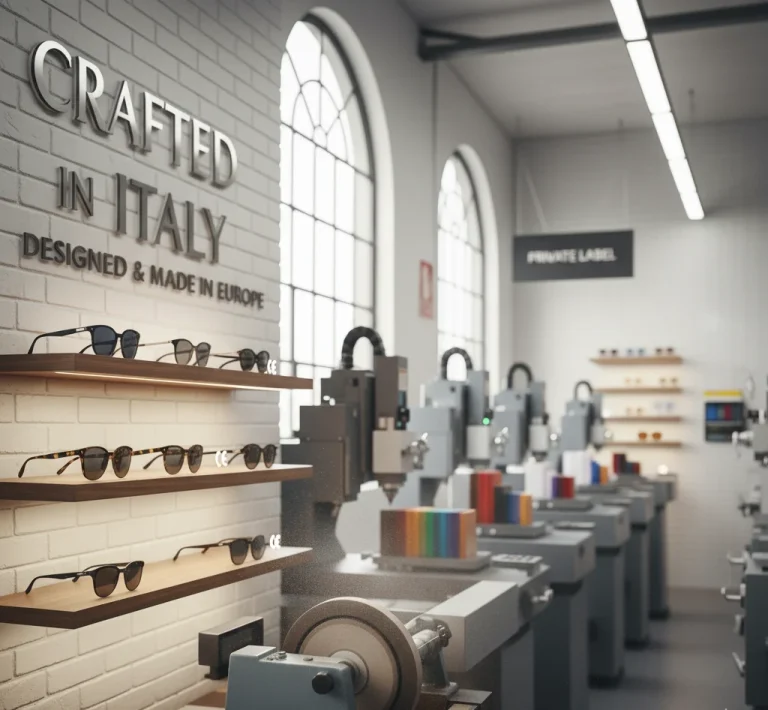
What European Factories Do Well
- High-end acetate and metal frame finishing.
- Small-batch production and fast sampling.
- Design collaborations with local studios.
- Strict compliance with CE and local laws.
- Quality control and traceability across the supply chain.
Those strengths matter if you target boutique retail or want a premium position. European factories excel at finish and fit. They can help you create frames that feel different to the hand and to the eye.
Reality Check: Cost and MOQ
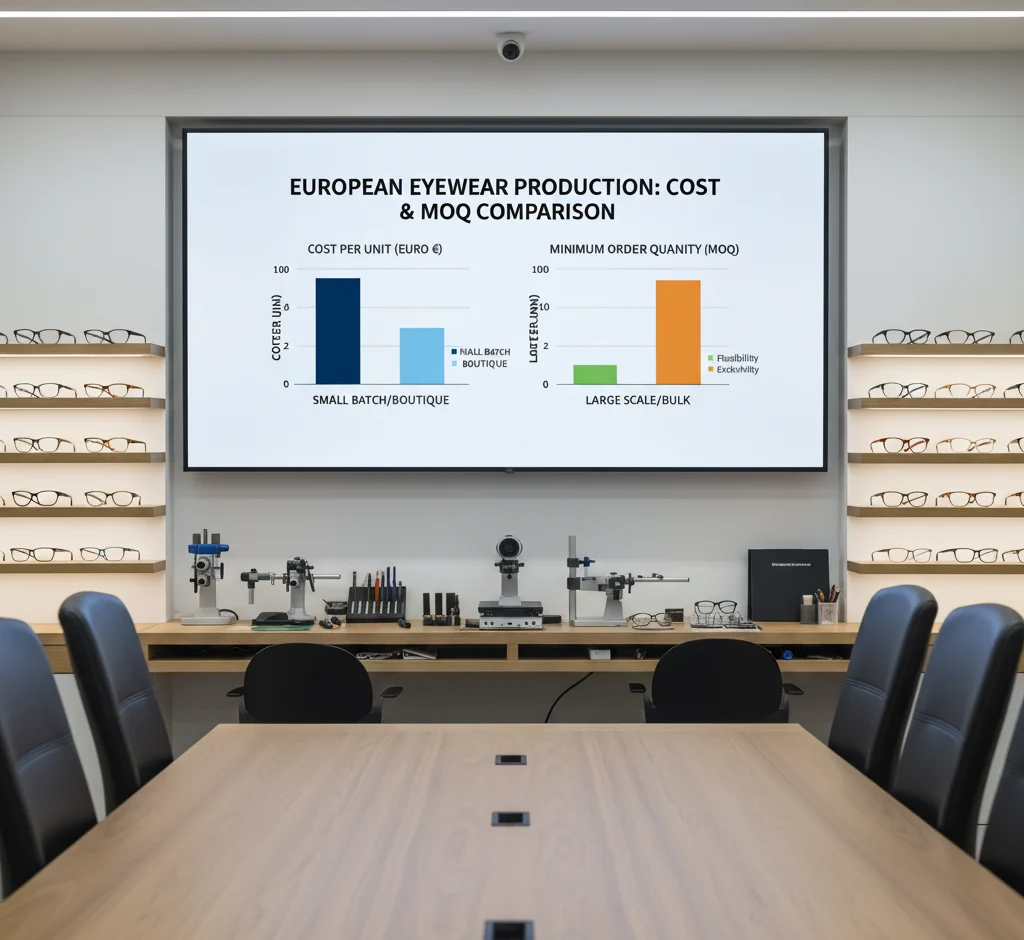
European production often costs more than mass factories in Asia. Expect higher per-unit prices. But you also get lower logistics cost and fewer surprises. MOQ varies. Some small ateliers make a few dozen pairs. Larger plants need hundreds. Ask for precise numbers up front.
I advise brands to align MOQ expectations with retail strategy. If you sell high-margin designer frames, a higher per-unit cost makes sense. If you run a price-sensitive online shop, consider hybrid sourcing: European-made for hero SKUs and imported stock for basics.
Compliance and Standards
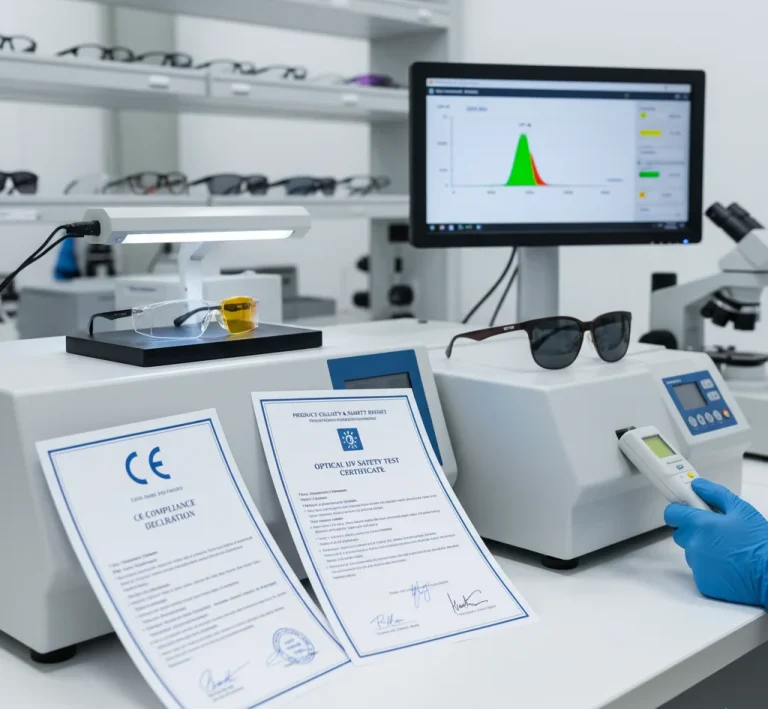
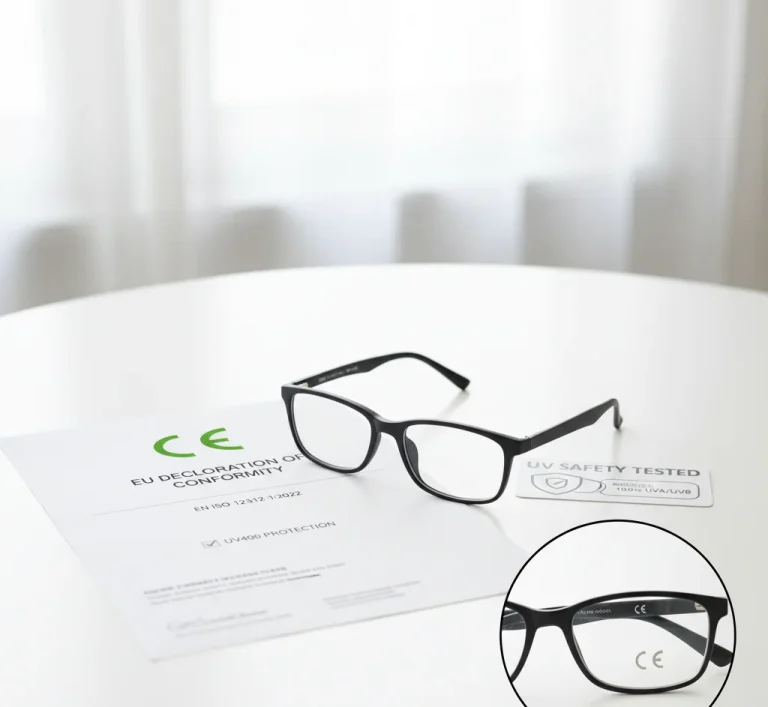
Europe enforces clear rules. Eyewear must meet CE standards for UV and safety where applicable. Testing ensures lenses block UV and that frames meet mechanical strength requirements. Work with factories that keep test reports and batch records. That saves time with EU retailers and customs.
For reference, check the EU guidance on CE marking and product safety. A compliant factory should provide test certificates on request.
Sustainability and Traceability
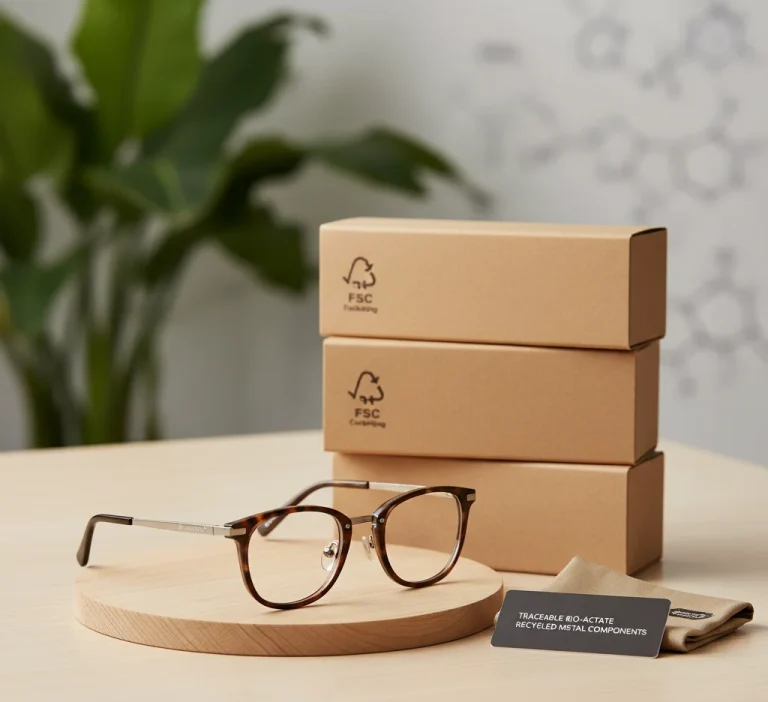
European customers care about origins. They ask: where did the acetate come from? Is the metal recycled? Which factory assembled the frames? Factories in Europe increasingly offer traceability and eco options. You can source bio-acetate, recycled metals, and FSC-certified packaging close to market. Those options make it easier to communicate sustainability claims clearly and accurately.
Design and Local Collaboration
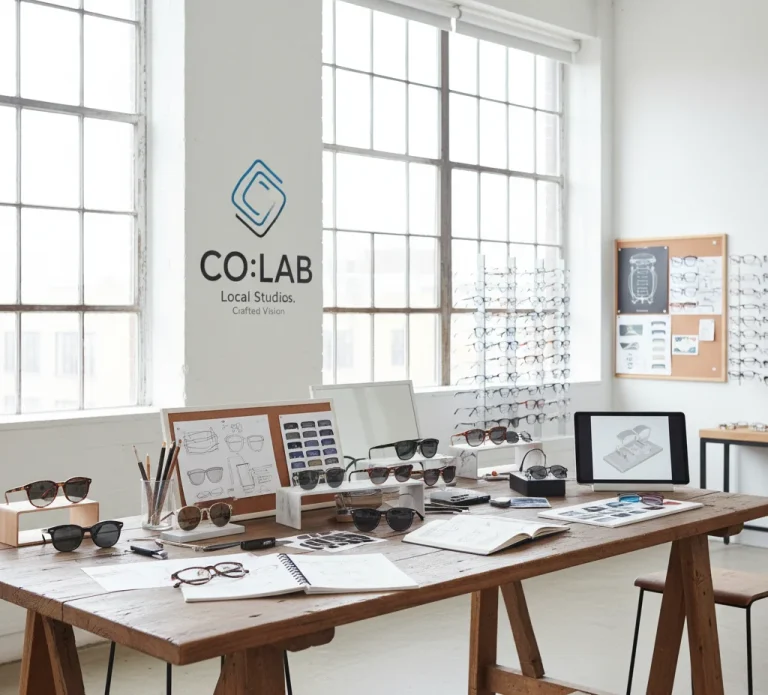
Europe is rich in design talent. Many manufacturing hubs sit near creative studios. That proximity makes collaboration smoother. You can iterate quickly on fit, temple flex, and hinge style. If your brand prioritizes craft and story, a European partner often provides both design sensibility and technical know-how.
We often pair brands with local designers to create capsule collections. These collaborations play well in press and boutique retail.
Logistics — Faster Replenishment
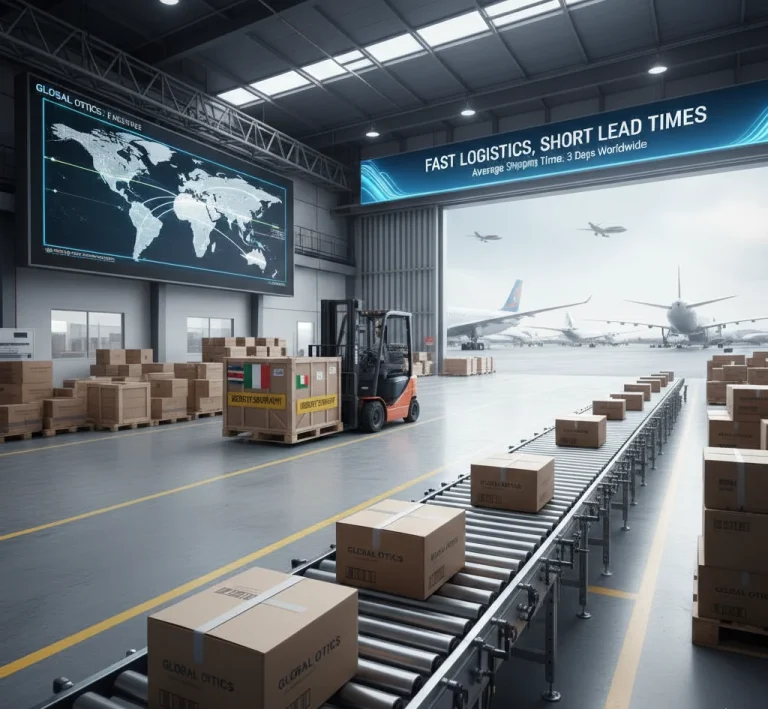
Shorter shipping routes mean faster restock. You can plan tighter inventory and run leaner warehouses. Many European brands benefit from weekly or bi-weekly replenishment. That reduces overstock and markdowns. It also helps during busy retail seasons like summer or holiday months.
If you sell across the EU, look for factories that handle consolidated shipping and documentation. That removes friction and reduces lead time variability.
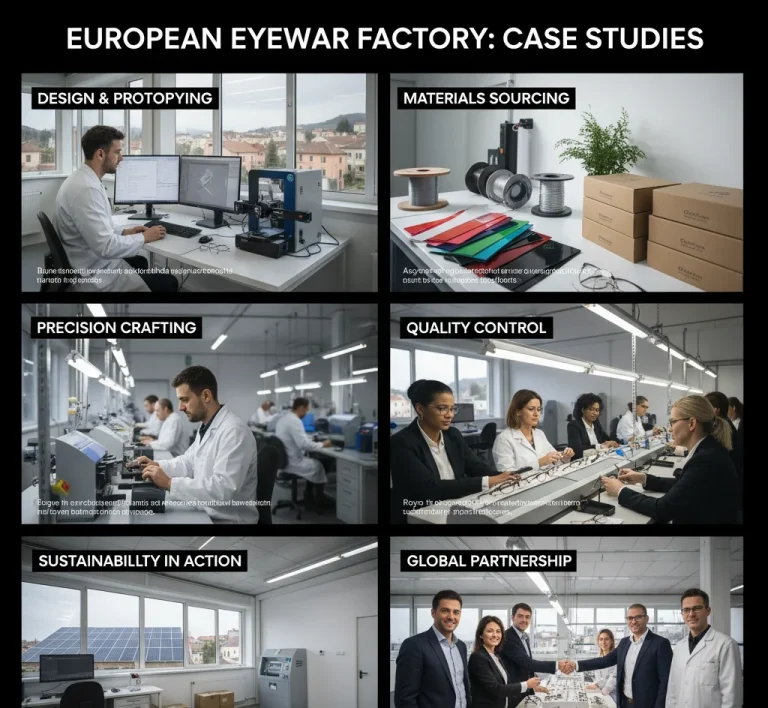
Case Studies — How Brands Use European Factories
Made-in-Italy boutique: A small label worked with an Italian atelier to produce hand-lathed acetate. The cost was high, but buyers appreciated the craft. The brand used local storytelling in lookbooks and justified a premium price.
French optical house: They needed precise tolerances for prescription frames. A nearby French lab matched specs and provided fast adjustments. That saved appointments and returns.
Eastern European tech plant: A mid-sized brand needed metal folding hinges with tight tolerances. An Eastern European factory offered precision machining at a lower cost than Western sites while keeping delivery times short.
How to Choose an Eyewear Manufacturer in Europe
- Define your price tier and retail channels.
- Ask for samples and test them in real use.
- Request compliance documents and test reports.
- Confirm MOQ and lead times for samples and production.
- Discuss traceability and material sourcing for sustainability.
- Check logistics and consolidated shipping options across the EU.
Ask manufacturers to explain their quality control process. Look for plants that publish defect rates and batch records. Those details matter when you scale.
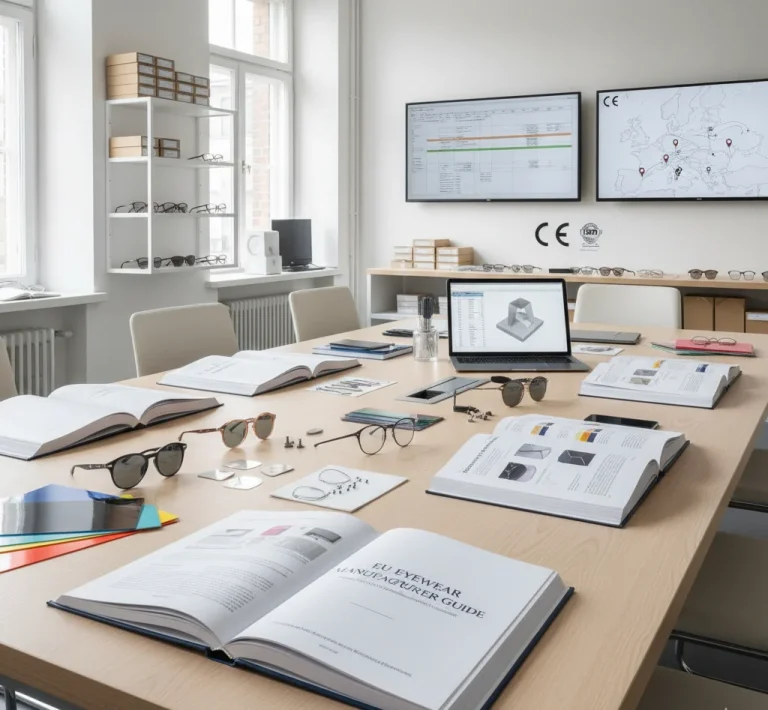
Pricing, MOQ and Production Rhythm
Expect higher per-unit costs in Europe. But factor in lower transport costs, fewer customs delays, and higher perceived product value. MOQ can be flexible. Some factories accept small first orders for new designs. Others require minimum runs. Ask if they split colors across MOQ or allow mixed-color batches to reduce risk.
Production rhythm matters. A brand with seasonal drops needs a factory that can hit multiple small runs. Ask how they handle rush requests and off-schedule batches.
Start Working With European Partners
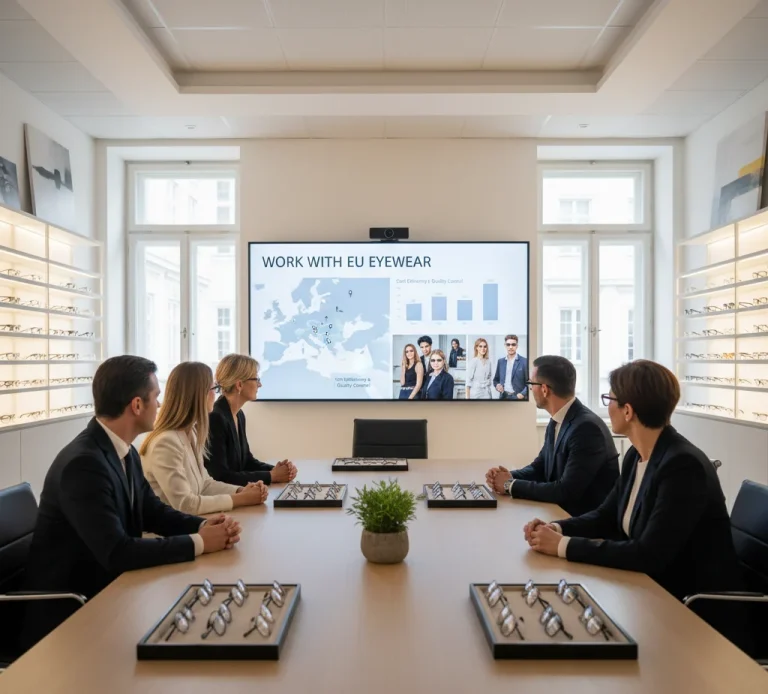
Europe offers craft, quality, and proximity. It fits brands that sell premium or that need nimble production. If you want to explore options, we can map factories by capability and cost. We help brands balance made-in story with price and speed.
Learn more on our Eyewear Manufacturer page. If you are ready, contact our team through Contact Us and we will guide you step-by-step.
FAQ — Eyewear Manufacturer Europe
Can I get small batches in Europe?
Yes. Many ateliers and smaller factories accept small batches. Expect higher unit costs for tiny runs, but the lead time is often faster and quality higher.
Do European factories handle prescriptions?
Some do. Labs with optical services can produce and test prescription frames and lenses. Ask about their optical partnerships and corridor measurements for wraps.
How do I verify CE and test reports?
Ask the factory for test certificates from accredited labs. Verify lab names and dates. A transparent factory will share batch reports and testing details readily.
Can I mix European-made hero SKUs with imported basics?
Yes. Many brands use a hybrid model. Hero SKUs get local production. Basics come from lower-cost regions. This balances story and margin.
Request a Quote
Tell us your target price and market. We will recommend European factories and timelines that match your needs.