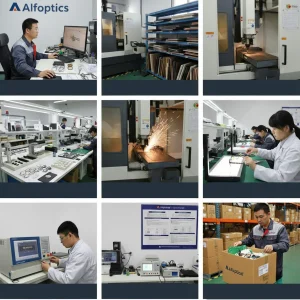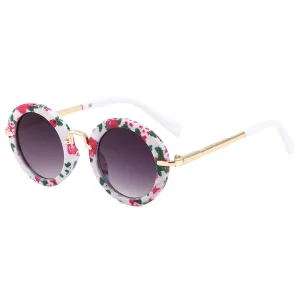

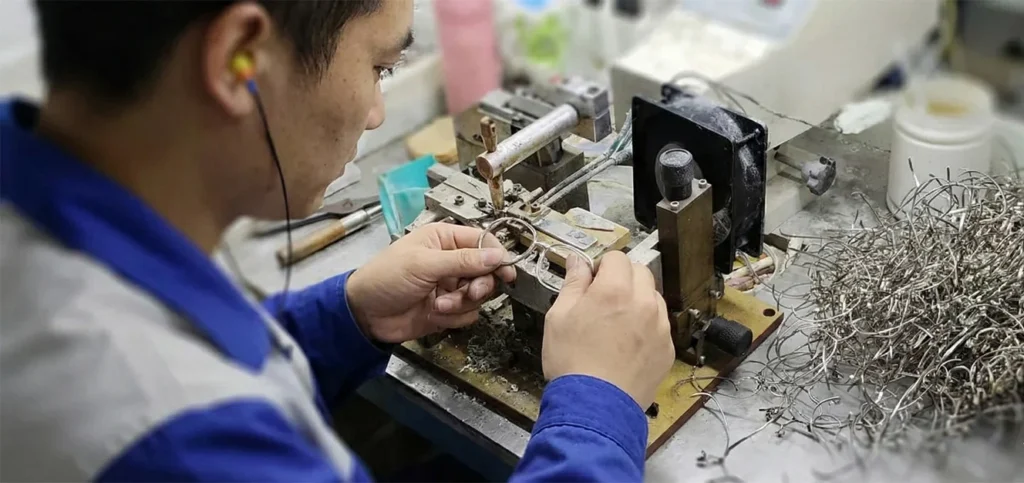
In our factory, this question comes up almost every week.
“Should we go with acetate or TR90?”
Sometimes it’s a startup founder working on their first collection.
Sometimes it’s an established brand trying to adjust margins.
And sometimes it’s a designer who just wants to know which material will support their vision.
Most people think this is just a material comparison.
It isn’t.
The choice affects your pricing, your positioning, your production timeline, your return rate — and even how customers feel when they hold your frame for the first time.
After years of producing both, here’s how we usually guide brands through this decision.
If You Just Need the Short Answer
For buyers who need quick direction, this is what we usually say:
- If you want premium texture and color depth → go with acetate.
- If you want lightweight performance and flexibility → choose TR90.
- If you need adjustability for prescription fitting → acetate works better.
- If you’re targeting high-volume production with tight cost control → TR90 scales faster.
But if you’re building a serious brand, it’s worth understanding why.
Manufacturing: Where the Difference Really Starts
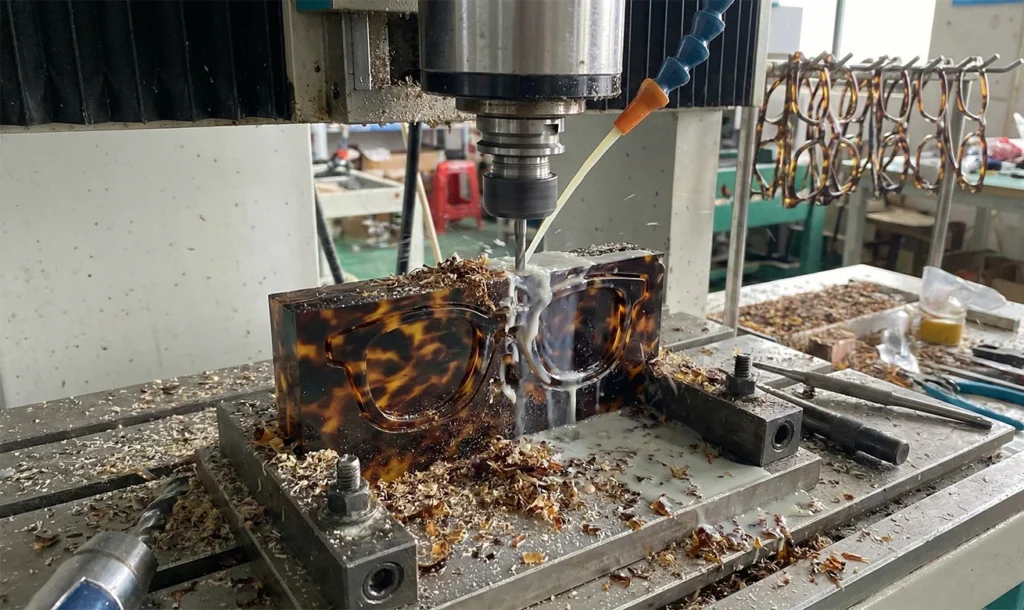
The biggest difference doesn’t show in the showroom. It starts on the production floor — in the same way we explain in our sunglasses manufacturing process guide, where materials, tooling, and labor decisions shape everything that comes after.
Acetate frames are cut from sheets, shaped, polished, tumbled, and adjusted — a process we often explain when clients ask about different sunglasses frame materials and how they behave in real production. Even with CNC machines, there is still significant manual involvement. Workers check alignment, polish edges, adjust temples. There is a human element in every batch.
TR90 is different. It’s injection molded. Once the mold is finalized, production becomes consistent and efficient. The shape comes out nearly complete from the mold. Surface treatment and assembly follow, but the structure is fixed early.
From a manufacturer’s perspective, acetate gives flexibility in design changes. TR90 demands precision before mold production. After the mold is made, changes become expensive.
That’s something many new brands underestimate.
Cost Structure: What Brands Often Miscalculate
A lot of buyers only compare unit price.
Experienced brands look at total structure.
Acetate usually has a higher per-piece cost because of material price and labor. But there’s no heavy mold investment at the beginning. For small collections or frequent design adjustments, that flexibility matters.
TR90 often requires upfront mold cost. Once volume increases, per-unit cost drops significantly. For large-scale programs, this becomes attractive.
What really matters is not “which is cheaper.”
It’s whether your projected volume justifies the production model.
We’ve seen brands choose TR90 too early and struggle with inventory.
We’ve also seen brands choose acetate for large-scale sports programs and feel margin pressure.
Context is everything.
Weight & Comfort: What Customers Actually Feel

Customers don’t think about polymer types.
They feel weight and balance.
TR90 is lighter. Especially for wraparound or sport-oriented models, that lightness reduces pressure during long wear. It also offers flexibility — it can bend and recover without permanent deformation.
Acetate is denser. It feels solid. Some customers describe it as “substantial” or “premium.” In fashion markets, that tactile feedback supports brand perception.
For prescription sunglasses, acetate often allows better fine adjustments. Heating and reshaping give opticians more room to customize fit.
Comfort is not only about grams. It’s about how the material behaves over time.
Durability: What Returns Have Taught Us
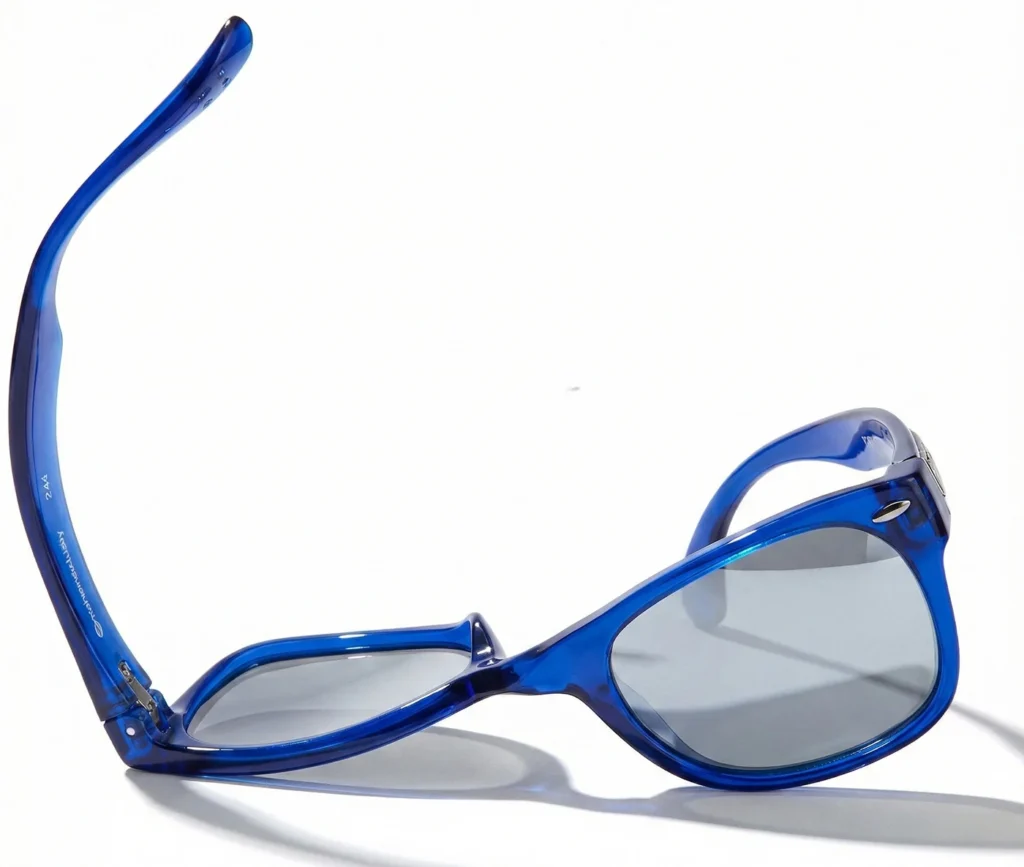
Returns are honest teachers.In the U.S. market, durability expectations are also influenced by industry standards and consumer safety guidelines published by organizations like The Vision Council, especially for impact resistance and wearability.
TR90 performs well under impact and repeated bending. That’s why sports and outdoor brands rely on it. It tolerates stress and movement.
Acetate is stable and strong in daily wear. But extreme force can cause cracking rather than bending. It’s less forgiving under sudden impact.
However, acetate maintains structural shape very well in normal conditions. It doesn’t “creep” easily. With proper hinge installation and reinforcement, it can last for years.
Durability depends on use case.
Fashion environments and sports environments are very different.
Brand Positioning: The Story Behind the Frame
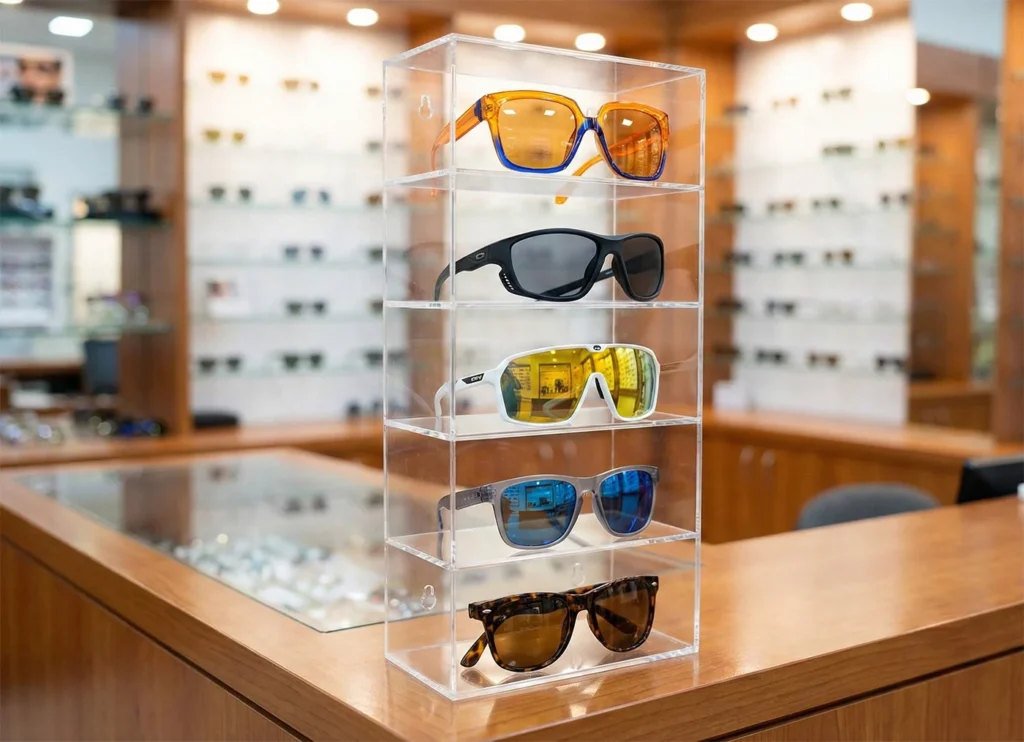
Material is not only engineering. It’s storytelling.
And if you look at recent sunglasses trends, you’ll notice how material choice increasingly reflects brand identity rather than just cost or durability.
If your brand speaks about craftsmanship, texture, layered color, depth — acetate supports that narrative naturally. The visual richness and polish communicate intention.
If your brand speaks about movement, performance, technical efficiency — TR90 aligns better. The lightness and flexibility reinforce that image.
We usually ask clients:
What do you want your customer to feel in the first 10 seconds?
The answer often clarifies the material choice.
What Most Brands Overlook
There are discussions we usually have privately with serious clients.
Color consistency, for example. Acetate sheets can have slight batch variation. Beautiful, but not identical. For some brands, that uniqueness is positive. For others, it becomes a control issue.
TR90 offers more uniformity in large runs. But surface texture options are more limited compared to layered acetate patterns.
Adjustment tolerance is another point. Acetate allows heating and reshaping. TR90 offers flexibility but less controlled reshaping.
MOQ realities also differ depending on factory setup and mold strategy.
These details rarely appear in online comparisons, but they affect long-term operations.
So, Which One Should You Choose?
There is no universal answer.
There is only the right answer for your stage.
If you are launching a fashion-forward collection and emphasizing design identity, acetate often makes sense.
If you are building a performance-driven line or targeting large online distribution with aggressive pricing, TR90 may offer more scalability.
Some mature brands use both — acetate for premium collections, TR90 for sport or entry lines.
The smart decision is not about trend.
It’s about alignment.
Frequently Asked Questions
Is acetate more premium than TR90?
In fashion perception, yes. Acetate often carries a more premium image due to its texture and finish.
Which material is better for prescription sunglasses?
Acetate usually offers better adjustability for custom fitting.
Why do sports brands prefer TR90?
Because of its light weight, flexibility, and impact resistance.
Does acetate break easily?
Not in normal daily use. It is stable and durable, but less flexible under extreme force.
Which material offers better margins?
Margins depend on volume strategy. TR90 scales better at high volume. Acetate supports higher retail positioning.
If You’re Evaluating Materials for Your Next Collection
If you’re currently deciding between acetate and TR90, the best starting point is not the material itself.
It’s your market positioning, target price, and expected volume.
From there, the material decision becomes much clearer.
We’ve worked with brands on both sides of the spectrum. The right choice always feels logical once the bigger picture is defined.
And sometimes, the answer isn’t either-or — it’s a combination.