
Eyeglasses Manufacturer: Notes From the Factory Floor
I’ve been running an eyeglasses factory in China for over a decade. It didn’t start glamorous—my first order was 200 pairs for a shop that barely survived the winter. But here we are, years later, still sanding acetate and fitting hinges. This isn’t a polished brochure. It’s me, telling you what it’s really like to build frames that end up on someone’s face every day.
When Clients Panic, We Breathe
I still remember a French designer who called me at midnight. His shipment was delayed at customs, and he thought his brand launch was ruined. I had no magic wand, but I did what I could—called my forwarder, arranged temporary air shipment of part of the order. He later sent me a photo of himself wearing the first frame at his launch party. To me, that’s the job: firefighting when needed, celebrating the wins together.
Factories get a bad rep for being cold or distant. For us, it’s personal. If you succeed, we succeed. If you stumble, we feel it too.

The Stuff We Work With
Acetate is like clay—you can sculpt it into anything. Titanium feels like air on your nose. TR90? It’s the cockroach of eyewear, nearly unbreakable. Customers come to us with all kinds of requests: rainbow tortoise patterns, matte sandblasted steel, temples made from recycled fishing nets (yes, that happened). Do they always look good? Not always. But experimenting is half the fun.
Personally, I love acetate the most. The smell of it when we cut sheets—it reminds me of the early days, when we polished frames by hand until our fingers blistered.
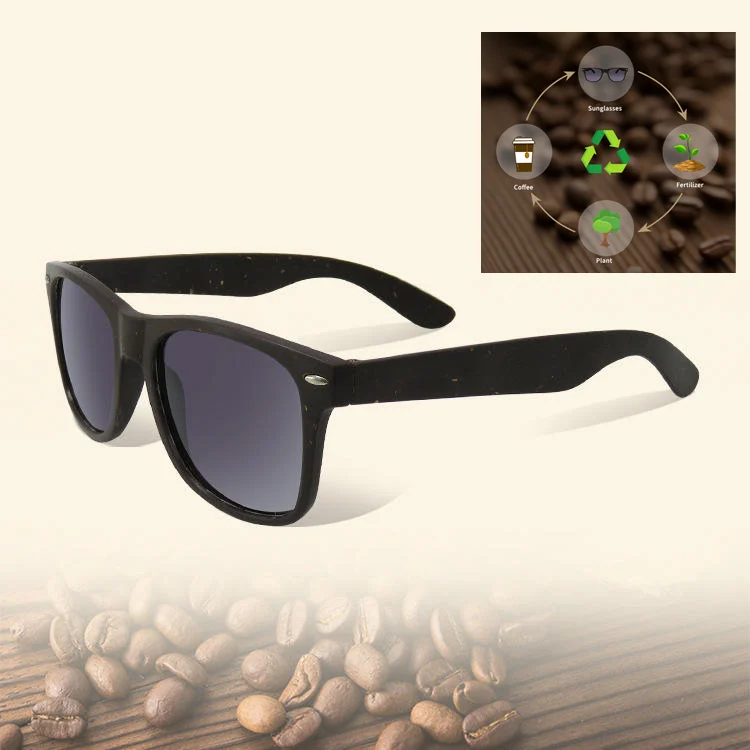
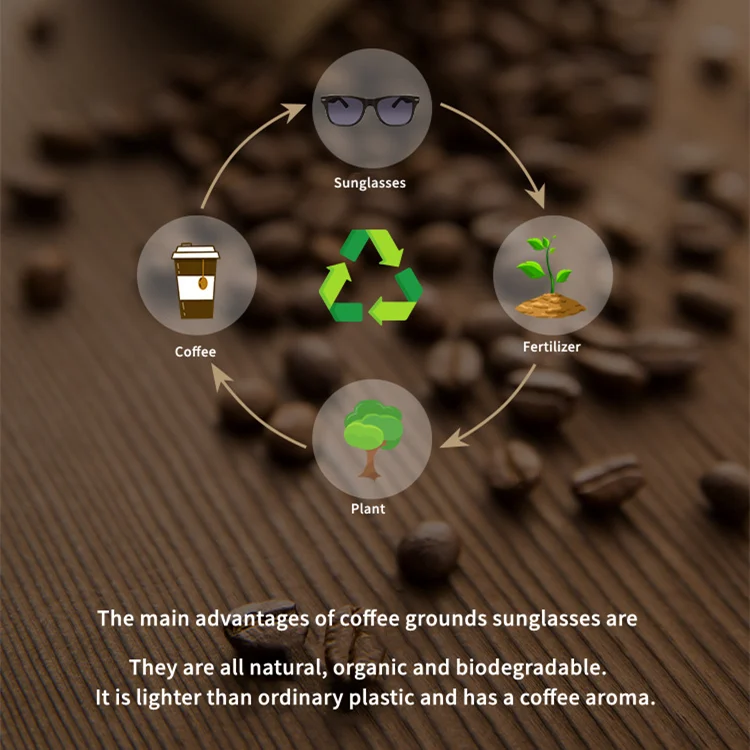
Once, an Italian client asked if we could make frames out of recycled coffee grounds. At first, I thought he was joking. But he was dead serious. We tried mixing coffee waste with resin—it smelled great, but the frames cracked. Failure? Maybe. But it sparked our journey into bio-materials, which we still explore today.
Production Without the Gloss
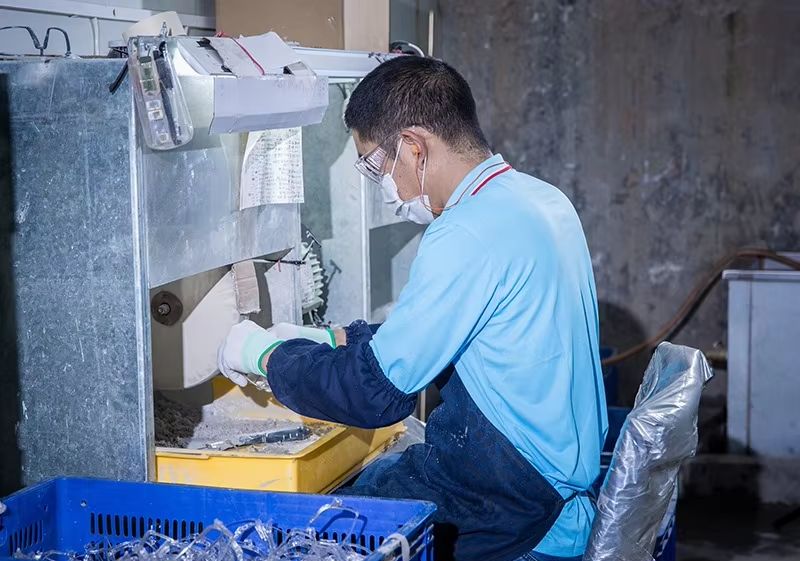
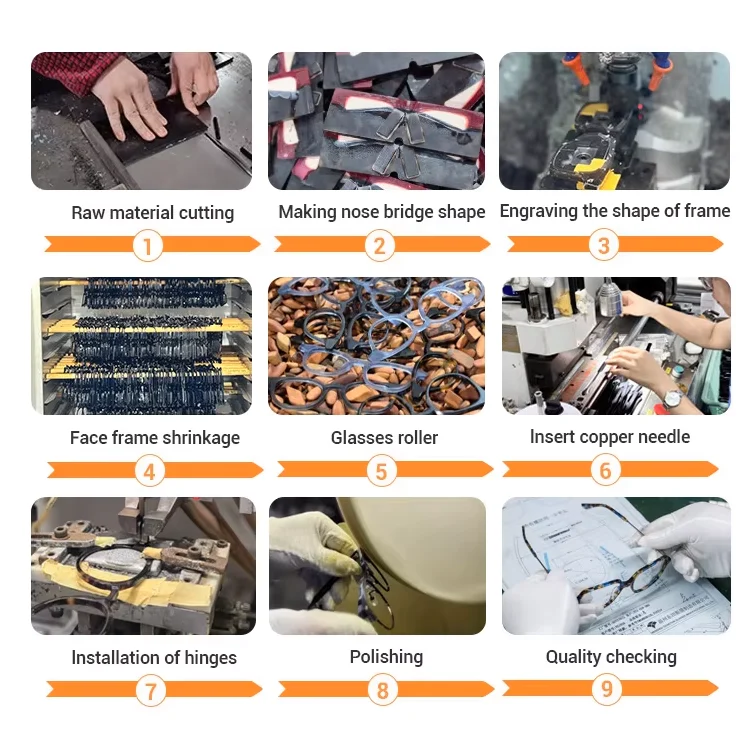
People imagine factories as robots and laser beams. Truth is, half the time it’s humans hunched over polishing wheels, arguing about whether a bridge is 1.8mm or 2mm. We do use CNC and injection machines, sure, but the soul of a frame still comes from hands.
We’ve messed up too. Once we sent out a batch with the wrong hinge screws—they loosened after a week. Embarrassing? Yes. But we owned it, replaced them, and upgraded our QC. Now we torque-test 10% of every batch. That mistake cost us money, but it earned us long-term trust.
I also remember when we underestimated a sampling run. The colors came out way too bright—neon green instead of forest green. The client laughed and said, “Well, at least they glow in the dark.” We remade them, of course, but we kept one pair in the office as a reminder: double-check Pantone codes.
Clients Who Stick Around
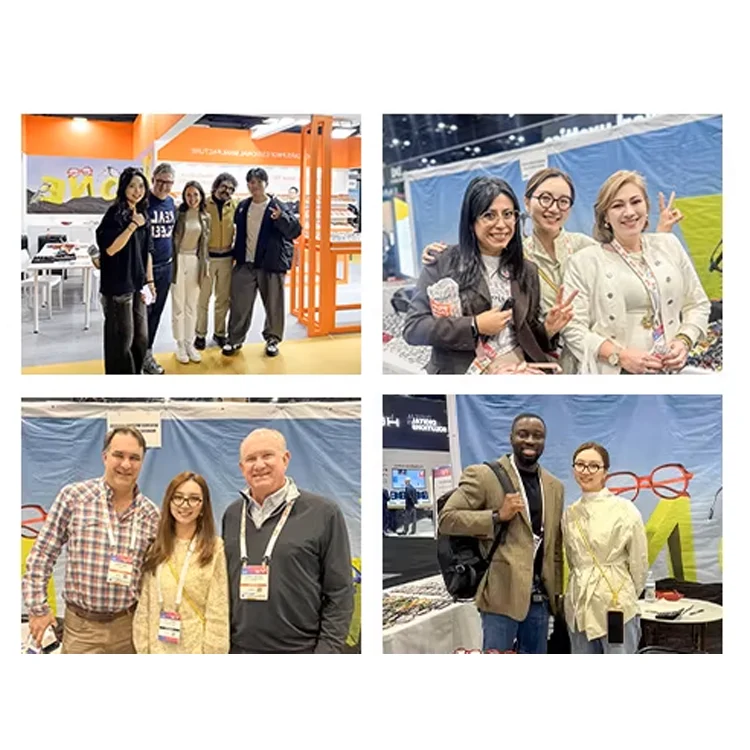
A German optician started with 250 pairs. He emailed me last week: “We just crossed our 10,000th sale.” That’s better than any award. Then there was a U.S. startup that wanted 15 SKUs at once. I told them flat-out: “Don’t do it, you’ll drown.” They cut down to five, launched, and now they’re scaling smart. Sometimes being honest means losing a bigger order, but it saves a partnership.
I also recall a Japanese buyer who came to visit our factory. He spent more time chatting with our polishing workers than with me. Later, he told me, “If the workers are smiling, I know the frames will be good.” That stuck with me—quality isn’t just in the product, it’s in the people making it.
Our factory isn’t just machines; it’s relationships built on these messy, imperfect, human moments.
Customization, the Fun (and Painful) Part
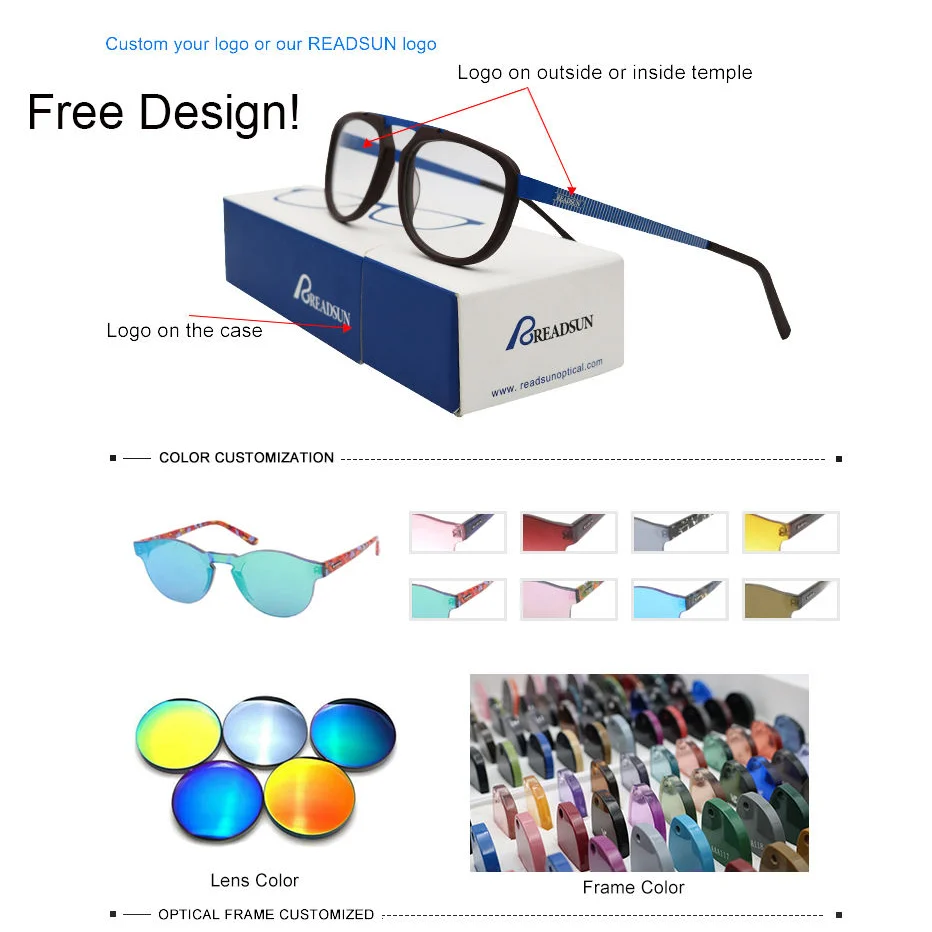
One client once sketched a frame on a napkin in a café. We turned it into a real product. Another insisted the temple tips should look like bamboo chopsticks. Did we laugh? Sure. Did we try? Absolutely. Some ideas flop, others become bestsellers. That unpredictability keeps me interested after all these years.
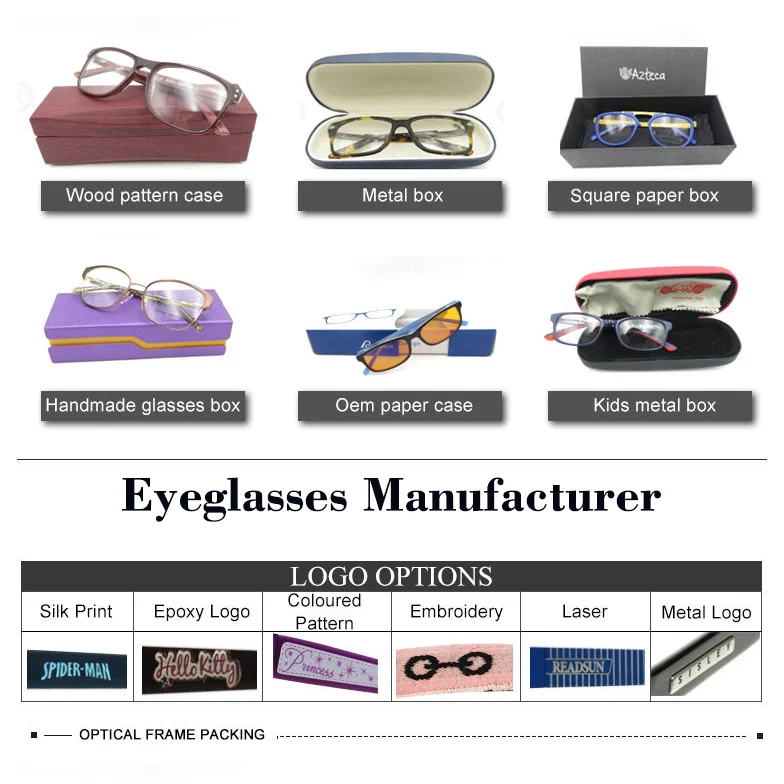
We handle logos, temple tips, even weird packaging requests (like a box shaped like a surfboard). These details aren’t just extras—they’re the stories your customers remember.
Sometimes customization feels like solving a puzzle. A client from Canada wanted temples that looked like maple leaves. Our engineers cursed me under their breath, but after three prototypes, we nailed it. The client sent back a photo of a customer crying—because those frames reminded her of home. That’s when you realize design isn’t just design; it’s emotion in physical form.
Quality, With Calloused Hands
We torque-test hinges. We polish until acetate feels like silk. We drop frames to see if they survive. Do we always get it right the first time? No. But we keep testing until it feels right. Because I know somewhere out there, someone will wear these frames every day, and if they fall apart, it’s my name on the line.
For the formal side—CE, FDA, ISO—you can check our Quality & Certification. But honestly? To me, quality is just not cutting corners when nobody’s watching.
I once sat with our QC team for an entire day. They randomly pulled out 50 frames and tested each hinge with a torque meter. My wrist hurt just watching them. But seeing their patience reminded me: real quality isn’t about passing one test, it’s about repeating the test a hundred times without giving up.
Smart Eyewear: The Hype, the Hard Parts, and What Actually Ships
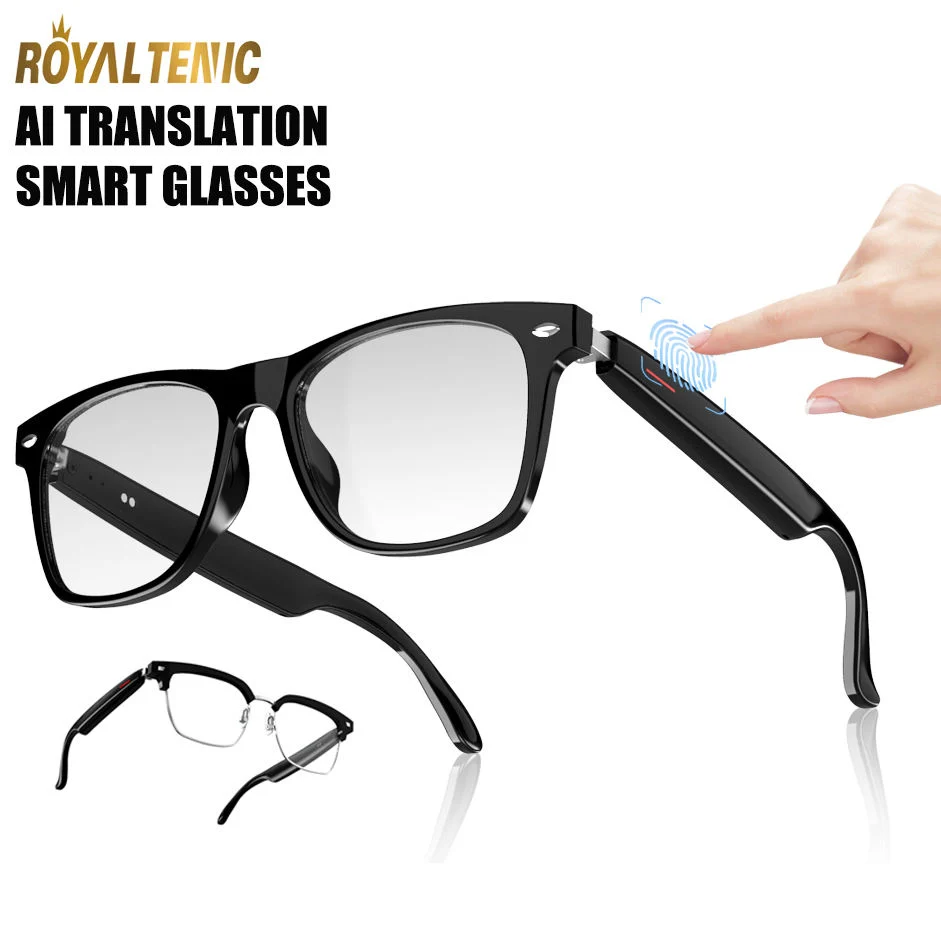
People love to ask if we make glasses that sing, talk, and count your steps. Short answer: yes, but it’s not as flashy as the headlines. Smart eyewear is a balancing act between electronics and comfort. Put the battery in the wrong place and the frame feels like it’s sliding off your ear. Use the wrong antenna design and the Bluetooth drops the moment you walk behind a metal shelf. We’ve learned to split the weight between both temples, to route flex PCBs like veins, and to keep heat away from skin. Not rocket science, but close enough on a humid afternoon.
Most of our builds use low-energy Bluetooth modules for audio cues, touch controls on the temple, and hidden pogo pins for charging. On metal frames we tune the antenna differently (metal eats signal for breakfast); on acetate we have more room to hide the module. We aim for splash resistance with conformal coating—not for swimming, but for sweaty bike commutes and rainy city walks. And yes, we’ve done bone-conduction prototypes; they work, but you need to control vibration so cheeks don’t buzz. If you’re curious about the wireless side, the Bluetooth SIG has a clear overview of LE Audio and power profiles.
My favorite win? A museum tour project where the frames whispered room-by-room audio to visitors. No screens, no tapping, just gentle cues as you moved. The tricky bit wasn’t the electronics; it was the temple shape. We shifted the mic port by 6 mm to avoid wind hiss near a hallway vent—tiny detail, huge difference. For pilots, we often do 100–300 units, then scale up once field tests prove the concept. If you’re thinking about smart features for your next line, start small, test in the wild, then scale. We can support the process end to end through our Custom Service, and if you want to see how materials affect antenna behavior, peek at Materials & Technology.
Last note—firmware matters. We keep a simple OTA flow during pilots so your devs can iterate fast without tearing apart frames. It’s not glamorous, but it’s how smart eyewear survives the real world. And if you’re mapping out a product roadmap, our guide for new brands has a practical checklist so you don’t overbuild the first release.
Eco Materials & Low-Impact Production (Without Greenwashing)
We’ve tried a lot—some wins, some facepalms. Bio-based acetate polishes beautifully, but you need to pre-dry it or tiny moisture bubbles show up during edging. Recycled titanium is strong and light, yet it chips if you rush deburring, so we switched to an ultrasonic step that adds time but saves yield. Ocean-plastic temples look great in marketing photos; in real life, we blend them with virgin resin to keep durability and color consistency. No miracles—just honest trade-offs and steady iteration.
Here’s what actually works on the line today: bio-acetate for fronts and temples, recycled stainless hinges, castor-oil-based nylon for flexible tips, and water-based inks for pad printing. For wood or bamboo accents, we follow FSC sourcing, then seal against sweat. Dyes and coatings go through skin-contact checks; if you want the certifications and lab reports, they live on our Quality & Certification page. For packaging, we’ve moved most clients to recycled paper boxes and molded pulp trays. It’s cheaper to ship too.
We’re not alone in this: frameworks from the Ellen MacArthur Foundation help us think circular (repair, reuse, recycle), and we can align projects with the Global Recycled Standard or OEKO‑TEX where relevant. If your story needs verified claims, tell us early so we can trace materials and book the right audits. The catch? Lead times are a bit longer and MOQs can creep up—worth it if your customers value the proof, not just the promise.
Two quick field notes. First, eco doesn’t mean fragile—our recycled stainless hinges outlasted standard parts in a 5,000-cycle test. Second, color drift is real with recycled content; we manage it by locking master batches and limiting seasonal palettes. If you’re planning a sustainability-led collection, start with two or three SKUs and build from there. You can dig into finishes and resin behavior on our Materials & Technology page, or read how different regions source components in Where Are Good Sunglasses Made? and what’s trending in Top Sunglasses Trends 2025.
Looking Ahead
Everyone asks about AR glasses and 3D printing. Honestly? I’m more excited about the small shifts: recycled materials, indie brands telling authentic stories, customers asking who made their frames. That’s where I see the future—not in Silicon Valley labs, but in small workshops like ours, slowly changing the way people see (literally).
I don’t pretend to have all the answers. But I do know this: as long as people need to see, they’ll need frames. And as long as they care how those frames look and feel, factories like ours will keep sanding, polishing, and tweaking until it’s right.
And maybe, just maybe, the future of eyewear isn’t about gadgets on your face. It’s about connection. About someone slipping on a pair of frames and feeling like themselves. If I can play even a small part in that moment, all the sleepless nights in the factory are worth it.

FAQ: Straight From My Inbox
Do you work with small orders?
Yep. Our first client was a 200-pair shop. We haven’t forgotten what that feels like.
Can I mix eyeglasses and sunglasses?
Sure. We make both, and it’s easier when one factory handles your whole lineup.
What if I don’t have designs yet?
No shame. Bring ideas, photos, even napkin sketches. We’ll work with it.
What’s your favorite project so far?
Tough one. Maybe the bamboo chopstick temples. Or the maple leaf frames. Honestly, the best projects are the ones where clients surprise us with ideas we never would’ve dreamed of ourselves.
What about packaging?
We’ve done everything from classic hard cases to surfboard-shaped boxes. So yes, we’ve got you covered.
Want Frames Built With Real Hands?
No fluff. No middlemen. Just a factory that cares enough to get its hands dirty.