
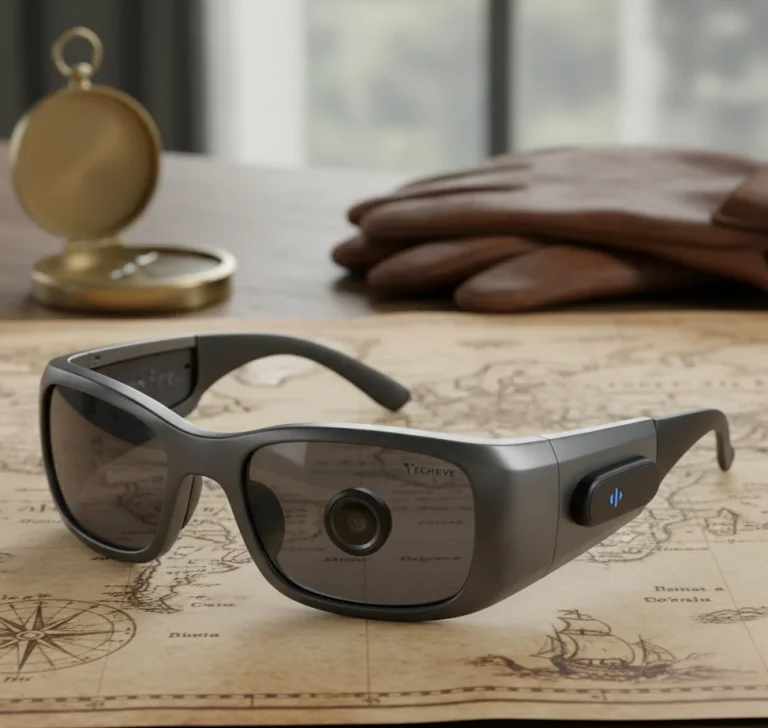
Smart Sunglasses • Hands-free Audio • Camera & HUD Options
Smart Sunglasses: What They Do, Who They Help, and Whether They’re Worth It
Smart sunglasses pack tech into frames that look like regular shades. They can stream music, take photos, route directions to your ear, and in some models show simple info in a tiny heads-up display. People ask, “are smart sunglasses worth it?” The short answer: it depends on how you plan to use them. This page walks through real use cases, common features (camera, Bluetooth, display), price vs value, and how to choose a pair that actually improves your day.
If you want manufacturing or private label smart eyewear, see our Smart Eyewear and Custom Service pages. This guide focuses on buying and everyday use for consumers and small brands.
What Are Smart Sunglasses, Really?
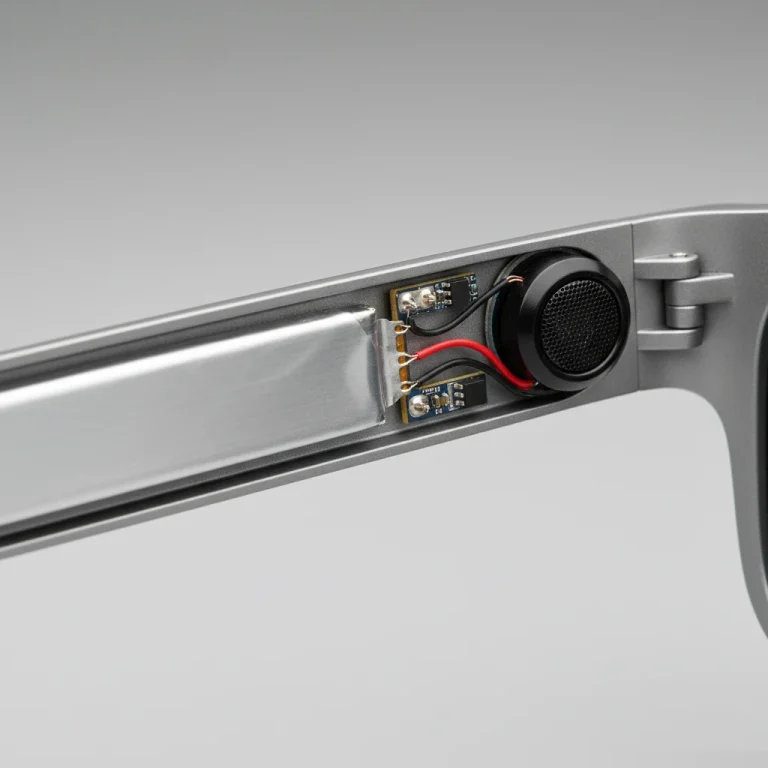
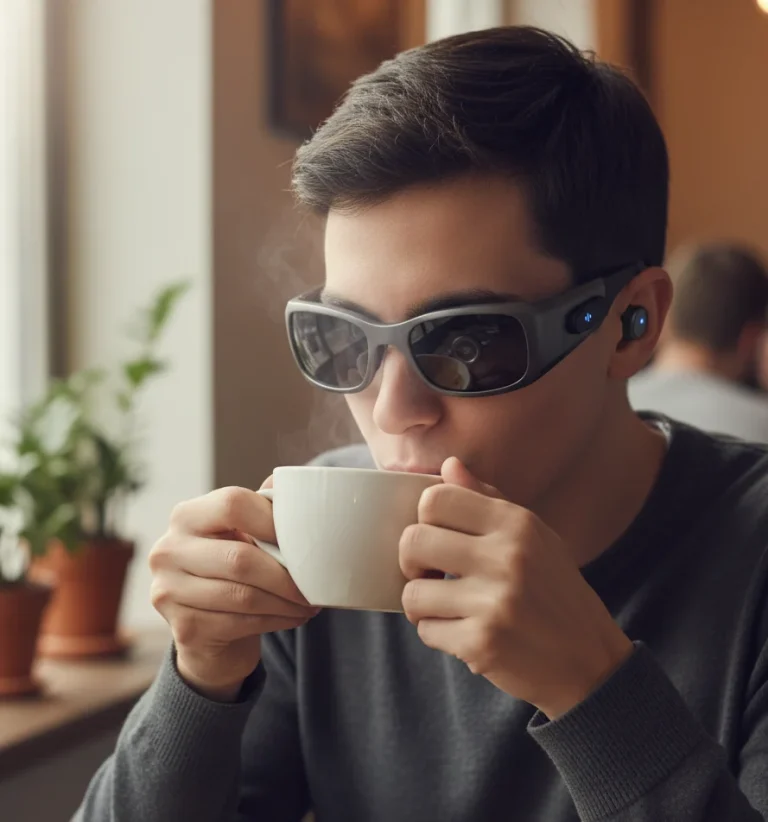
At base, smart sunglasses combine two things: eye protection and wearables tech. That tech can be simple—Bluetooth speakers and a mic—or advanced—mini cameras, bone conduction audio, and AR displays. Some models focus on audio and battery life. Others add sensors for fitness or a camera for quick photos and hands-free recording.
They differ from “smart glasses” aimed at AR in that smart sunglasses usually prioritize UV protection and style first. AR glasses put layers of information in front of your eyes. Smart sunglasses try to stay subtle while adding helpful features.
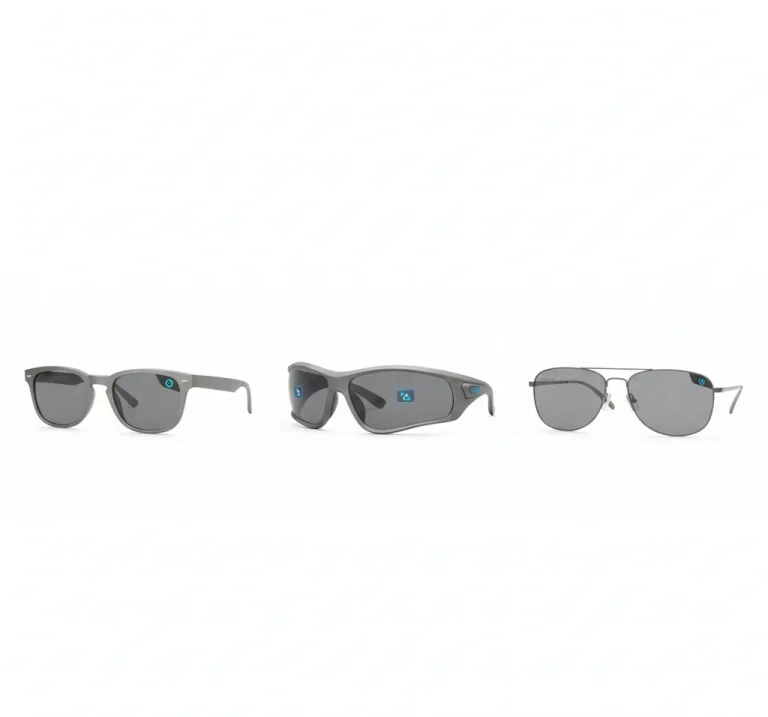
When shoppers search “what are smart sunglasses” they often want to know whether these devices still look like regular shades. The good ones do. Think familiar silhouettes—wayfarer, aviator, wrap—built around a discreet circuit board and speakers.
How People Use Smart Sunglasses
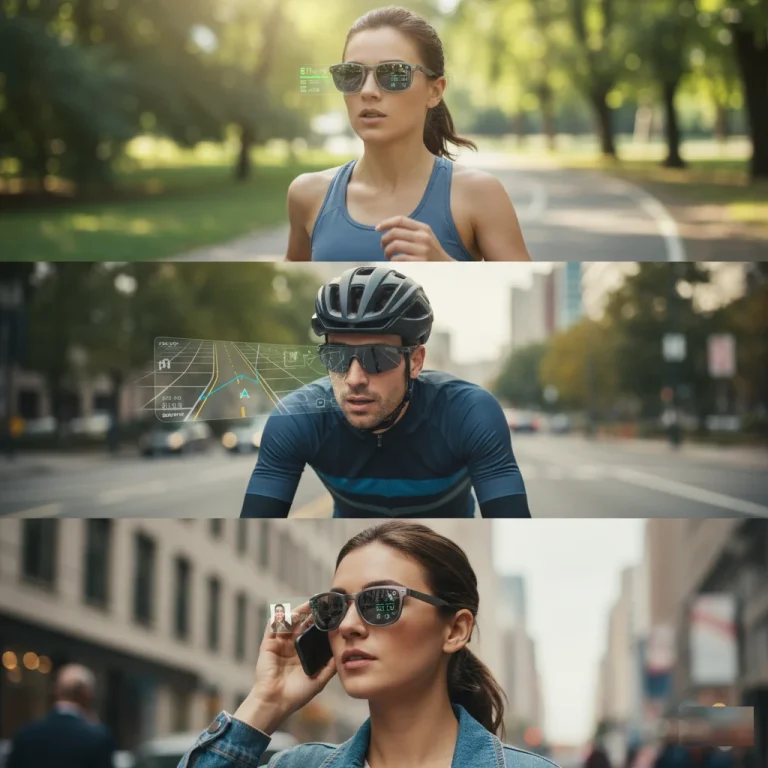
Smart sunglasses fit many small daily moments. Here are the most common ways people use them:
- Hands-free audio. Listen to podcasts or navigation while you keep both hands on the wheel or the handlebars.
- Quick photos and video. Capture a moment without pulling out a phone—useful while cycling or at events.
- Navigation cues. Turn-by-turn directions via tiny audio prompts or subtle HUD icons.
- Calls on the move. Make and take phone calls without holding a device to your ear.
- Fitness tracking (limited). Some models include basic sensors for steps or GPS connection through a paired phone.
For runners and cyclists, smart sunglasses that focus on audio and comfort usually win. For photographers or creators, models with better cameras and storage are appealing. For commuters, battery life and call quality matter most.
Searches like “smart sunglasses for running” or “smart sunglasses for cycling” reflect real user needs. Look for light frames, secure fit, and sweat resistance in those cases.
Core Features To Watch For
Not all smart sunglasses are equal. Here are the parts that matter and why.
- Camera quality. Resolution matters, but so does stabilization and mic quality. “Smart sunglasses with camera” searches are high because recording from your perspective is useful—just be mindful of privacy laws.
- Audio delivery. Speakers in the temple or bone conduction both work; choose what feels natural for your ears and environment.
- Connectivity. Bluetooth pairing should be stable for music and calls. Some frames support newer Bluetooth versions for better range and battery life.
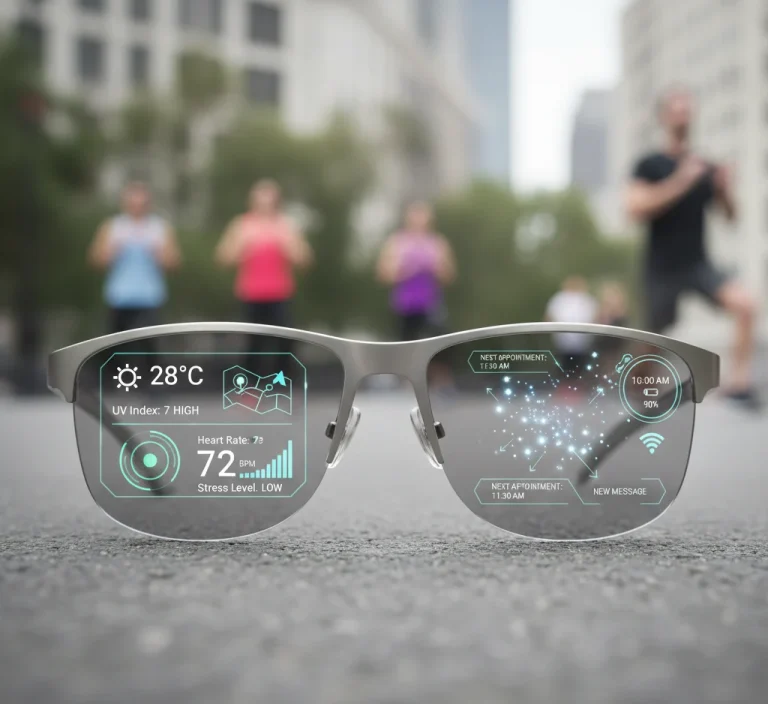
- Heads-up displays (HUD). A HUD gives glanceable info—speed, distance, or a simple icon. True AR experiences are still limited by battery and display tech.
- Battery life. Expect 4–10 hours of light use on most frames. Higher-end models push this further but cost more.
- UV and lens options. Good smart sunglasses also protect eyes. Polarized and photochromic lenses remain important features.
When you see “smart sunglasses with bluetooth” or “with display” in searches, match those keywords to the product spec sheet. The spec should list codec support, mic specs, and lens certifications like UV400.

Privacy and Social Considerations
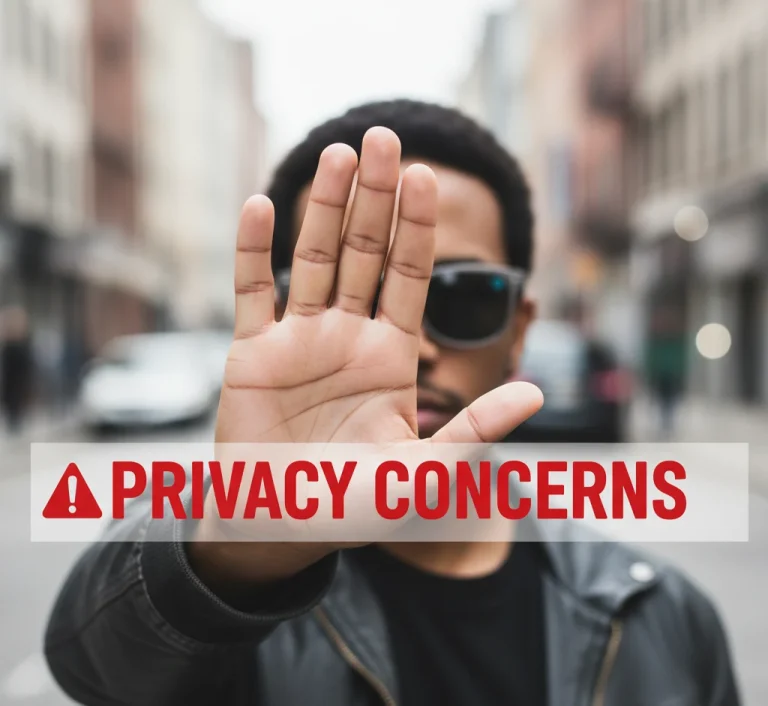
Cameras on sunglasses raise obvious questions. Is it okay to record in public? Laws vary by country and state. Many people feel uncomfortable being filmed without notice. That tension explains search volume for “smart sunglasses with camera” and “is it creepy.”
Good manufacturers add visible indicators—LEDs or audible cues—when a camera records. They also publish clear terms so buyers understand storage, encryption, and data handling. If privacy matters to you, pick a brand that is transparent and respects local rules.
As a consumer tip: avoid recording private conversations and respect signage in places that ban recording. Being thoughtful prevents legal issues and keeps interactions pleasant.
Style, Fit, and Picking the Right Pair
Style still matters. The best smart sunglasses do their tech work without looking like a gadget. Consider frame shape, weight, and temple grip. If you plan to wear them while running, look for rubberized nose pads and non-slip temples.
Men and women search differently—terms like “smart sunglasses for men” or “for women” help shoppers find fits and colors they prefer. But many frames are unisex. Try a virtual try-on or order from stores with friendly return policies.
- Daily commuters: Choose neutral colors and clear voice quality.
- Outdoor athletes: Prioritize weight, secure fit, and lens performance.
- Creators & travelers: Look for better cameras and storage or cloud upload features.
Picking the right pair is a balance of tech, comfort, and looks. If a frame makes you want to wear it every day, you’ve likely chosen well.
Price vs Value: How Much Should You Spend?
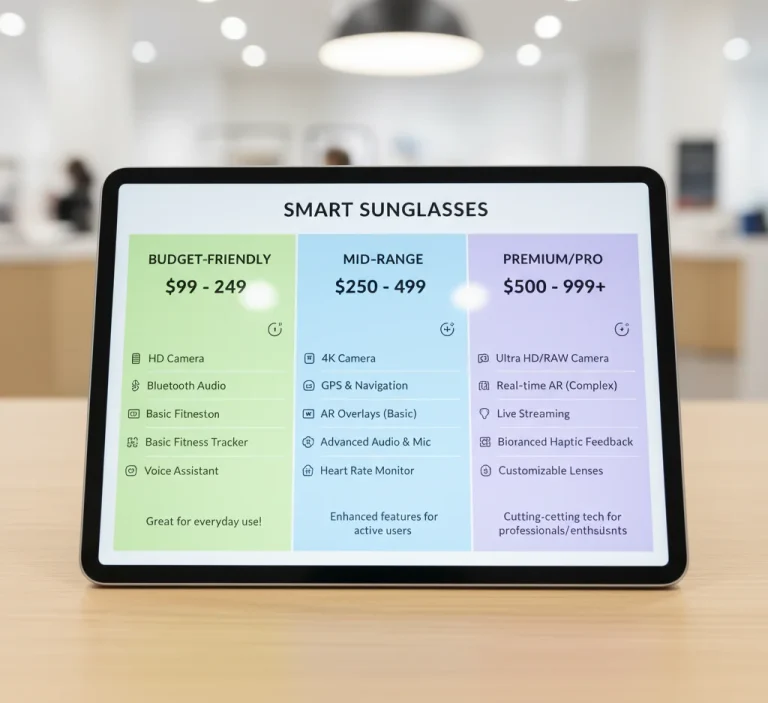
Smart sunglasses range widely in price. Low-cost models start near $50 but offer basic Bluetooth audio only. Mid-range models between $150–$300 add cameras and better materials. Premium frames with advanced HUDs or high-end cameras can cost $300–$600 or more.
Value is not price. Ask how often you’ll use the feature and whether it replaces another device. If you buy sunglasses mainly to listen to music during runs, a mid-range audio-focused pair is often the best bet. If you expect pro-grade video, budget for premium optics and stabilization.
Also account for helmet compatibility, replacement lenses, and warranty. Those details add to real cost over time.
Where to Buy Smart Sunglasses and What to Check on the Product Page
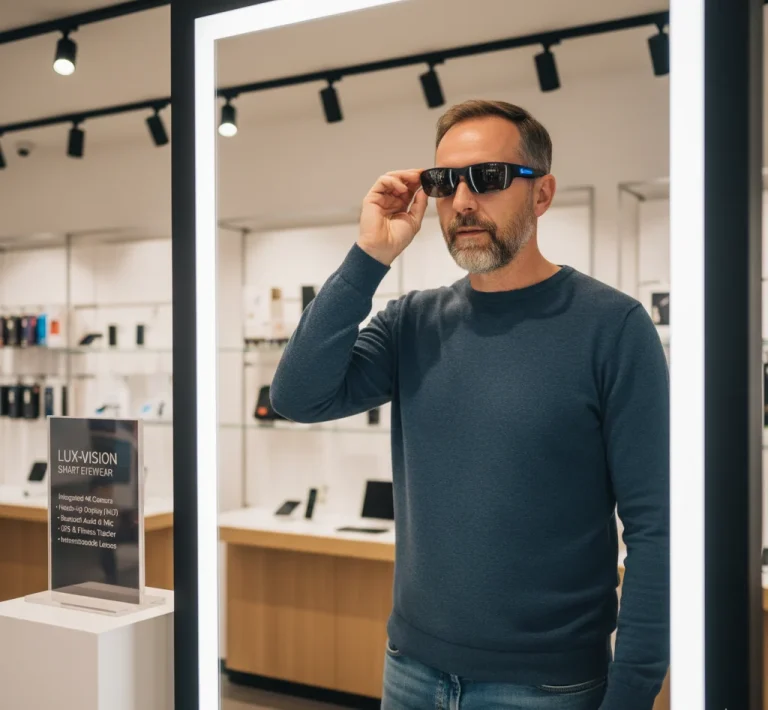
Search phrases like “smart sunglasses near me” show that people like in-person demos. Specialty retailers, some big electronics stores, and brand shops are good places to try pairs on. Online you’ll find more options and the best selection for niche features.
On product pages look for these specifics:
- Battery life for the exact use-case (music, camera, display)
- Bluetooth version and supported codecs
- Camera resolution, storage options, and whether footage uploads to the cloud
- Lens certifications (UV400, polarization) and replacement lens availability
- Warranty and water/sweat resistance rating
For private label or wholesale smart eyewear, check our Custom Service and Smart Eyewear pages for production and compliance support.
Useful external resources: reviews on The Verge and technical coverage on Wired.

Choosing Smart Sunglasses by Use: Running, Cycling, Golf, Kids, and Accessibility
Different groups need different priorities. Below are quick recommendations by activity and audience.
- Running: Lightweight frames, good ventilation, secure fit, clear voice prompts.
- Cycling: Wrap lenses with wide field of view, polarized options, camera stabilization.
- Golf: High-contrast lenses for green reading and lightweight audio to accept coaching calls or range tips.
- Kids: Durable frames, parental controls for camera and sharing, softer temples.
- Blind or low-vision users: Specialized smart eyewear exists that speaks surroundings or reads text. These are niche devices and worth discussing with accessibility tech vendors.
Search queries people use—like “smart sunglasses for golf” or “for kids”—lead directly to product filters on many retail sites. Use those filters to match features to your needs.
Care, Safety, and Legal Notes
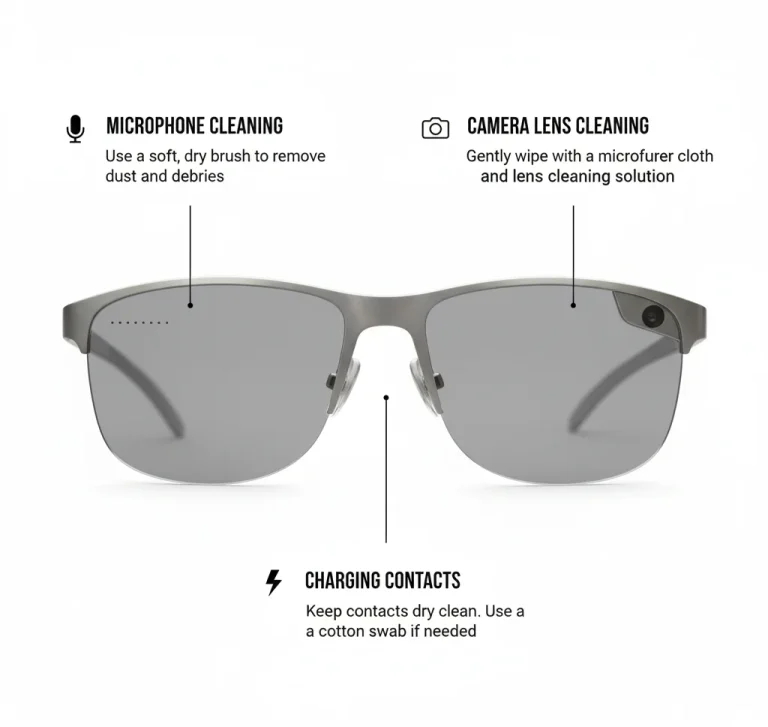
Smart sunglasses need care like any electronic. Keep charging contacts clean. Use the supplied case to protect lenses and electronics. Avoid submerging non-waterproof models.
Legally, recording laws differ by place. Private spaces and one-party consent vs two-party consent rules matter. If you plan to record people, learn the local rules first. Respect signs in theaters, courts, and other protected spaces.
For safety, avoid listening at volumes that block ambient sound when you are cycling or walking in traffic. Bone conduction helps here, but it is not a substitute for situational awareness.
Where Smart Sunglasses Are Headed
Expect better battery life, tighter integration with voice assistants, and more nuanced privacy controls. AI will start to help with quick captions, scene recognition, and smarter camera triggers that only save interesting clips. HUDs will improve but remain constrained by battery and comfort.
For brands, smart eyewear opens product differentiation. For users, it will become a subtle way to carry fewer devices. If you make or sell smart sunglasses, plan for firmware updates and support—hardware alone won’t cut it.
A Final Note From Someone Who Wears Them
I wear smart sunglasses on longer bike rides. I value the quick turn-by-turn audio and the fact I can take a snapshot without stopping. They are not perfect, but they reduce friction in small ways that add up. If you treat them like a companion tool rather than a magic fix, they will earn their place in your bag.
Want manufacturing, white-label smart eyewear, or OEM support? Visit Smart Eyewear and contact our team on Contact. We advise on lens certification, electronics integration, and compliance for different markets.
FAQ — Quick Answers About Smart Sunglasses
Are smart sunglasses worth it?
They are if the features match daily needs. For commuters and athletes who want hands-free audio and quick navigation, yes. For someone who rarely needs hands-free features, a standard pair of quality sunglasses may be a better value.
Can smart sunglasses take photos and video?
Yes. Many models include a small camera for photos and short videos. Check stabilization, resolution, and how files are stored or uploaded before you buy.
Will they work with my iPhone or Android phone?
Most smart sunglasses use Bluetooth and pair with iPhone and Android. Check compatibility notes on the product page, especially for features like voice assistant activation or app-only functions.
Do smart sunglasses block UV like regular sunglasses?
Good models include certified lenses (UV400). Always check lens specs so you get both smart features and proper eye protection.
Are smart sunglasses with camera legal?
They are legal in many places, but recording rules differ. Avoid filming in private spaces without permission and follow local consent laws.
Can kids wear smart sunglasses?
There are kid-focused models with simpler controls and sturdy frames. Parents should manage privacy settings and supervise camera use.
Where can I buy smart sunglasses?
Buy from brand stores, specialty retailers, or online marketplaces. If you prefer to try before you buy, search “smart sunglasses near me” for local stockists. For custom smart eyewear manufacturing, start at our Custom Service page.
Thinking About Smart Eyewear for Your Brand or Daily Use?
Send us your wishlist—camera, audio, HUD, or purely aesthetic. We can advise on specs, sourcing, and compliance.