
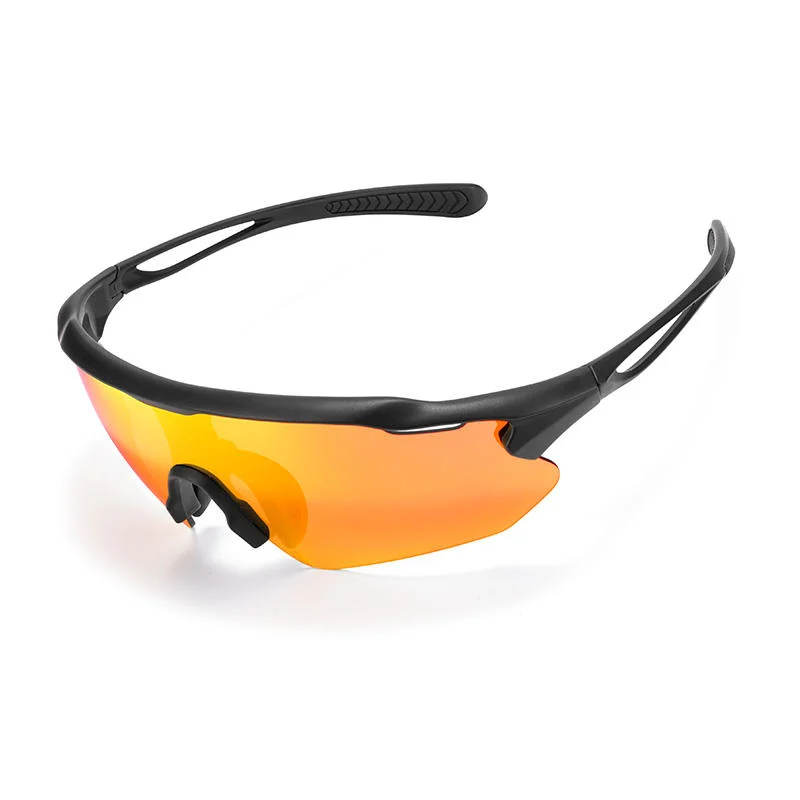
OEM & ODM • Low MOQ • RX‑Capable Wraps
Sports Sunglasses That Keep Up When The Pace Gets Real
There’s a moment on a fast descent when the world turns into lines and decisions. If your lenses fog or your nose pads slip, you feel it in your gut. We design for that moment. As a sports sunglasses supplier and cycling sunglasses manufacturer, we build frames that stay put, stay clear, and stay comfortable—long after the sprint is over.
I still remember a team ride in spring rain. My old pair fogged at the first stoplight. Miserable. That little failure is why we obsess over vent geometry, hydrophilic grips, and anti‑fog coatings today. Small details, huge difference.
We support indie labels and retail chains across North America and Europe. Need polarized road lenses, photochromic trail tints, or RX adapters for high‑base wraps? We’ve solved those puzzles many times. And yes, we’re honest about limits—especially on high prescriptions in aggressive curvature.
Who We Build For
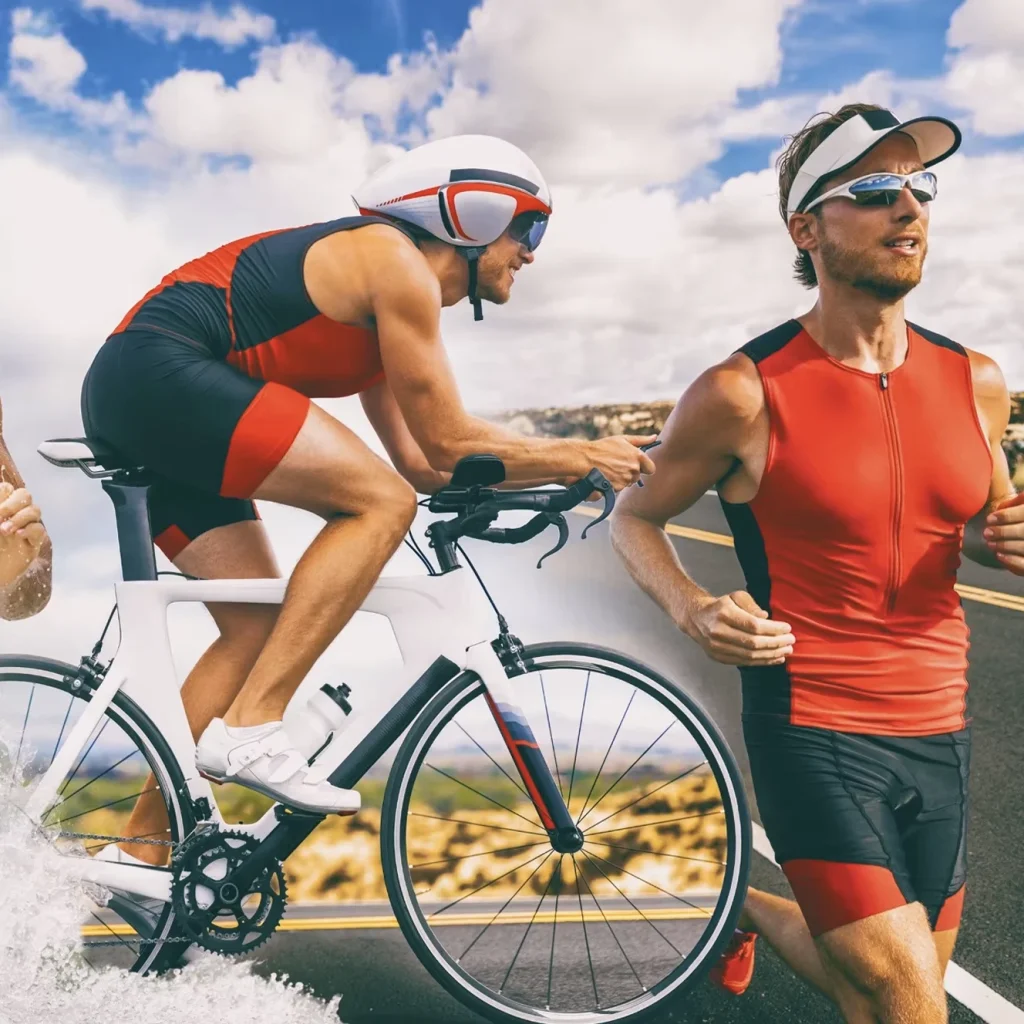
- Cycling: road, gravel, XC. Helmet‑friendly temples, wide shield coverage, anti‑fog vents.
- Running: ultra‑light TR‑90, bounce‑free grip, quick‑swap nose pads.
- Trail & MTB: contrast tints for roots and rocks, shatter‑resistant lenses.
- Watersports: polarized glare‑cut for reading chop and wake lines.
- Racquet & Field: wrap coverage, stable temples for sudden moves.
- Snow & High‑altitude: mirror + UV intensity control, fog defense.
- Everyday Training: casual‑leaning frames that still perform after work.
- RX Wearers: inserts, clip systems, and moderate‑wrap direct glaze.
Curious about RX options in sport wraps? See our Prescription Sunglasses page.
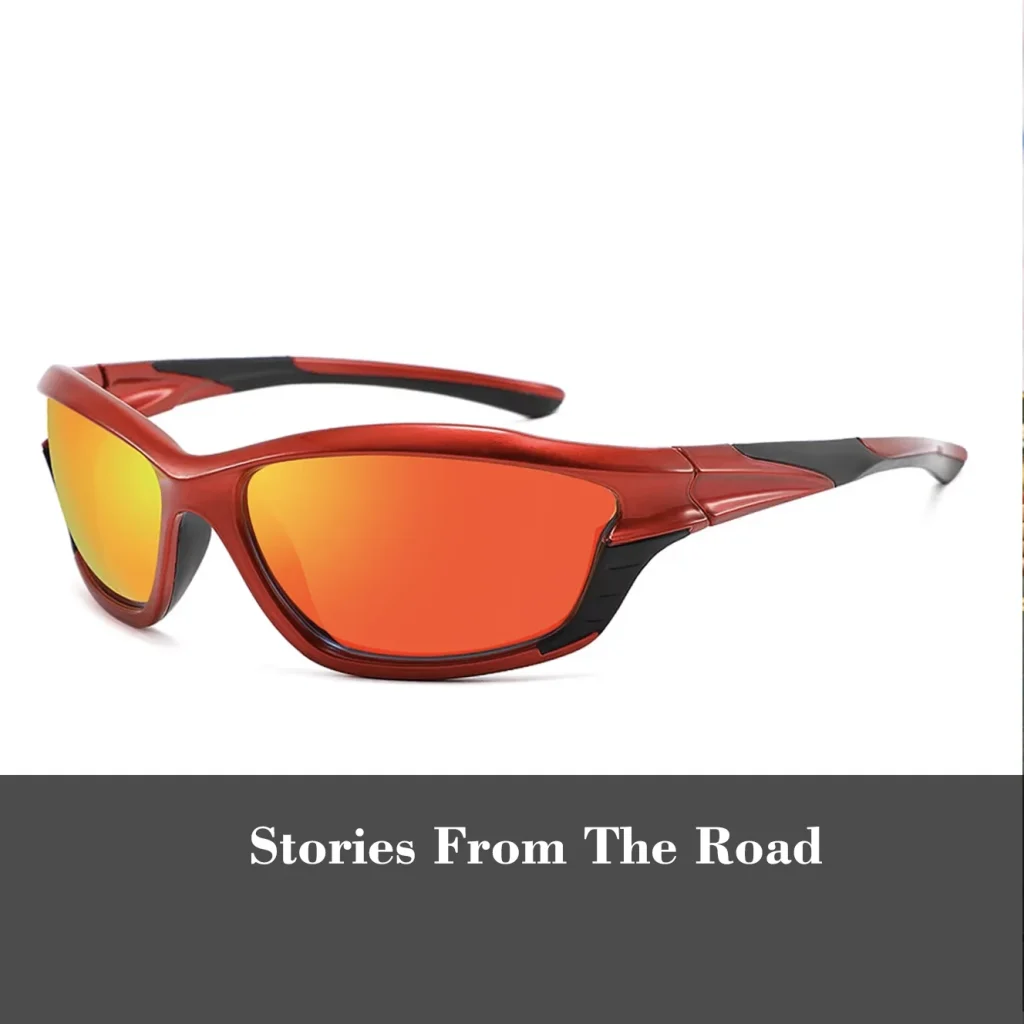
Stories From The Road (and Trail)
A gravel team in Colorado asked for a single‑shield lens that wouldn’t fog on wet climbs. We added upper vents and a micro‑etched anti‑fog back coating. During testing, one rider said, “I forgot about the glasses, which is kind of the dream.” That line still makes me smile.
A UK run club wanted featherweight frames under 24 grams with soft‑touch tips that don’t pull hair. We built a TR‑90 chassis with removable nose pads. The club captain wrote back: “No bounce. No marks. We kept them on for coffee.” That’s exactly where sports meets lifestyle.
An Australian surf school needed polarized lenses that handled salt and hard sun. We spec’d a tough hard‑coat, oleophobic layers, and corrosion‑safe screws. They now sell the same model to parents who watch from the beach—proof that performance can be simple and useful.
Engineering You Can Feel At 40 km/h
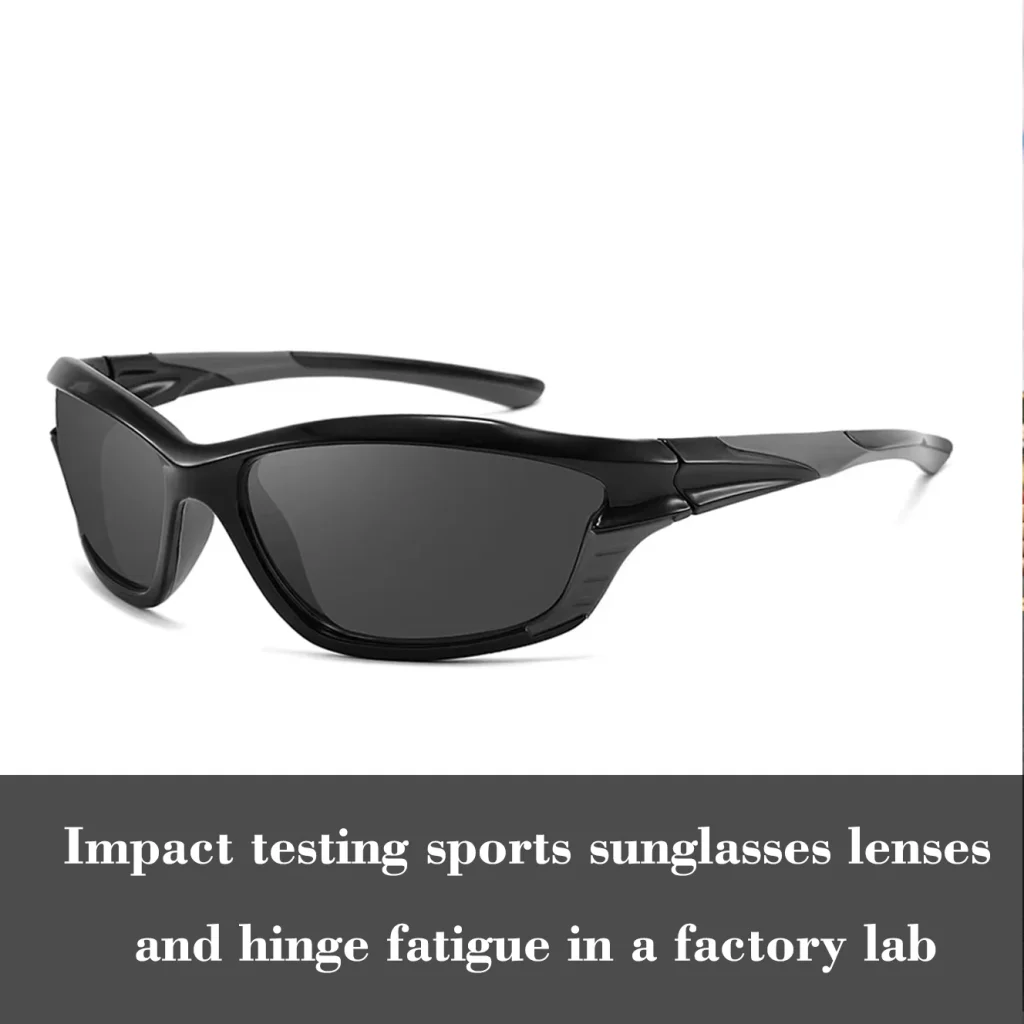
- Impact & shatter tests: high‑speed ball tests on lenses and frames.
- Fog defense: vent mapping, hydrophilic nose pads, and anti‑fog back coatings.
- Grip under sweat: temple pads that get grippier when wet; no slip, no sting.
- Helmet fit: low‑profile temples that slide under straps without pressure points.
- Optics: decentered lenses to reduce distortion on wraps; sharp vision at the edges.
We blend CNC accuracy with hand finishing. I’ve watched technicians tune a nose pad angle by half a degree because a tester said “it buzzes on climbs.” That tiny change turned into a quiet, stable fit.
Compliance and testing support are available—see Quality & Certification for standards we work with.
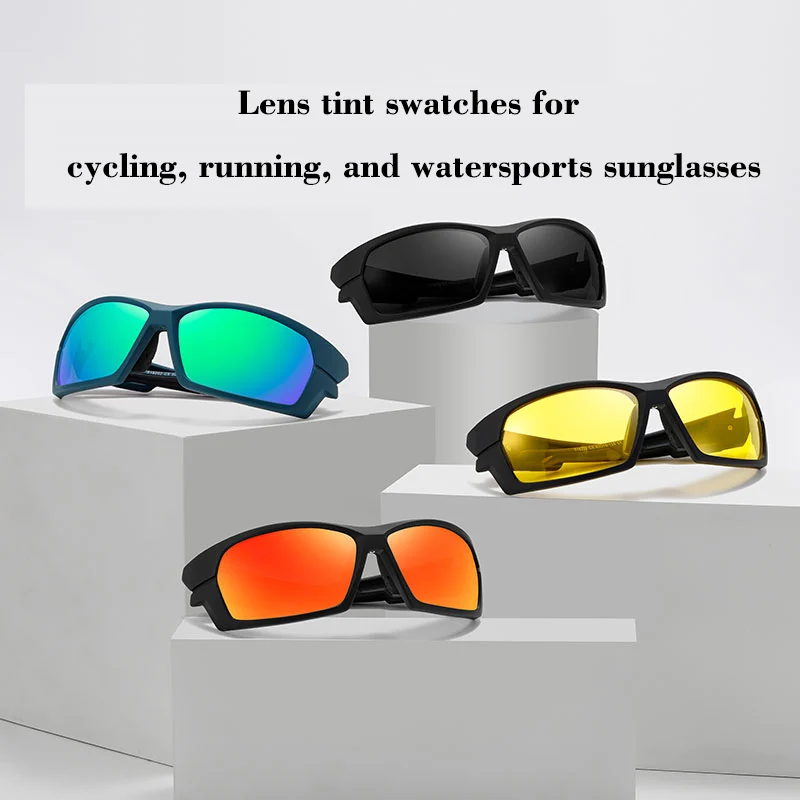
Choose The Right Tint For The Job
Lens color is not a vibe choice—it’s a performance choice. Below is a quick guide we share with new partners. It saves time and prevents returns.
| Activity | Recommended Tint | VLT | Why It Works |
|---|---|---|---|
| Road Cycling | Neutral gray or rose‑copper | 10–20% | Gray keeps color true; rose improves contrast for tarmac texture. |
| Trail / MTB | Brown / amber, high‑contrast | 20–35% | Highlights roots, rocks, and shadows in woods. |
| Running (mixed light) | Rose‑brown / photochromic | 20–40% | Comfort in shade and sun; photochromic adapts on the go. |
| Watersports | Polarized gray / brown | 10–15% | Glare cut for reading water surface and depth. |
| High Altitude | Mirror over gray | 8–12% | Controls intense UV and reflective glare. |
We provide AR backside as default on dark or mirror lenses to stop the “ghost glow” from behind.
RX In Wraps: What Works, What Doesn’t
We want to be straight with you. Aggressive 8‑base shields look amazing, but high prescriptions don’t always play nice. When you push beyond −6.00D or strong cylinder, distortion and weight creep in.
- Direct glaze: best for moderate powers in 6‑base designs.
- RX inserts: a practical choice for team orders and higher powers.
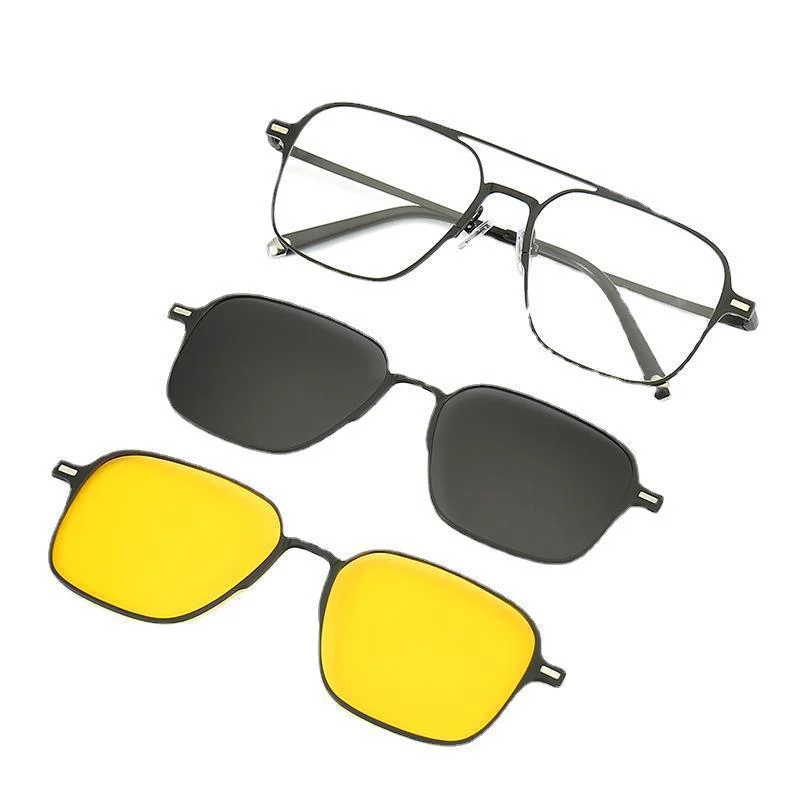
- Clip systems: fast swaps between clear, tinted, and low‑light lenses.
If this is your first RX sports line, start with inserts for breadth and direct glaze on a few 6‑base SKUs for style. We’ll help with lens maps and lab partners. For a deeper dive, visit Prescription Sunglasses.
Common Mistakes We Help You Avoid
- Too dark for mixed light. 8% VLT looks cool, but rides often start at dawn. Aim for 12–18% with mirror instead.
- No AR on the back. Backside reflections are annoying and fatiguing. We make AR standard on dark tints.
- Ignoring helmet straps. Thick temples fight straps and cause hot spots. Go slimmer with tuned stiffness.
- Under‑vented shields. If you don’t plan the airflow, fog will plan it for you. We map vents around sweat and breath paths.
- Launching too many SKUs. Start with three heroes: bright sun, variable light, and low‑light. Learn fast, then expand.
These aren’t theories—they’re scars from real launches. The brands that listen ship cleaner, faster, and with fewer returns.
Helmet Fit & Ventilation, Dialed
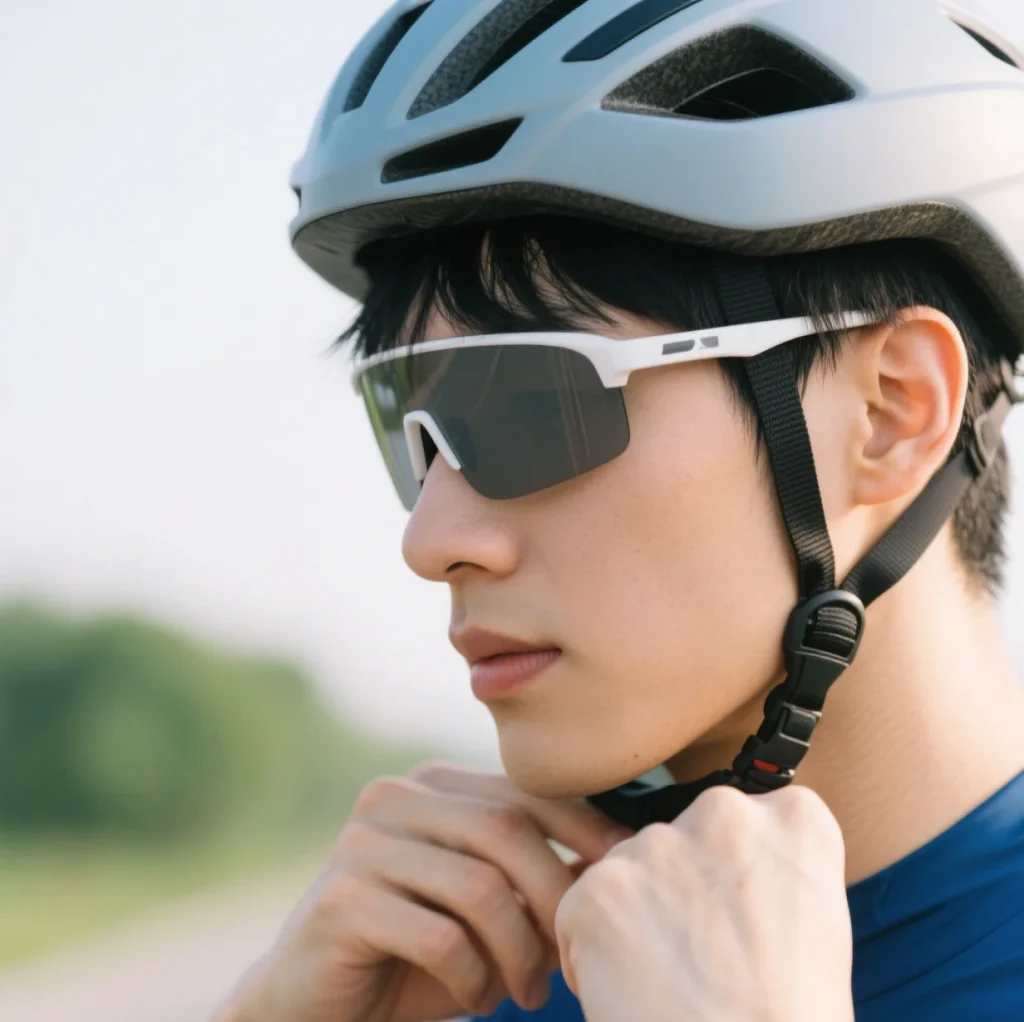
Helmet compatibility isn’t a nice‑to‑have. It’s the whole ballgame for cycling. We prototype with common helmet strap paths and test for pinch hot spots. Temples get a dual‑durometer core: stiff enough to stay put, soft enough to play nice with straps.
Vent placement follows breath and sweat. Upper vents bleed warm air; side cuts manage cross‑wind fog; lower vents stop sweat pooling on climbs. When we get it right, testers stop talking about fog entirely—which is exactly the point.
For helmet fit principles, groups like IMBA share rider‑fit advice that aligns with how we design touch points.
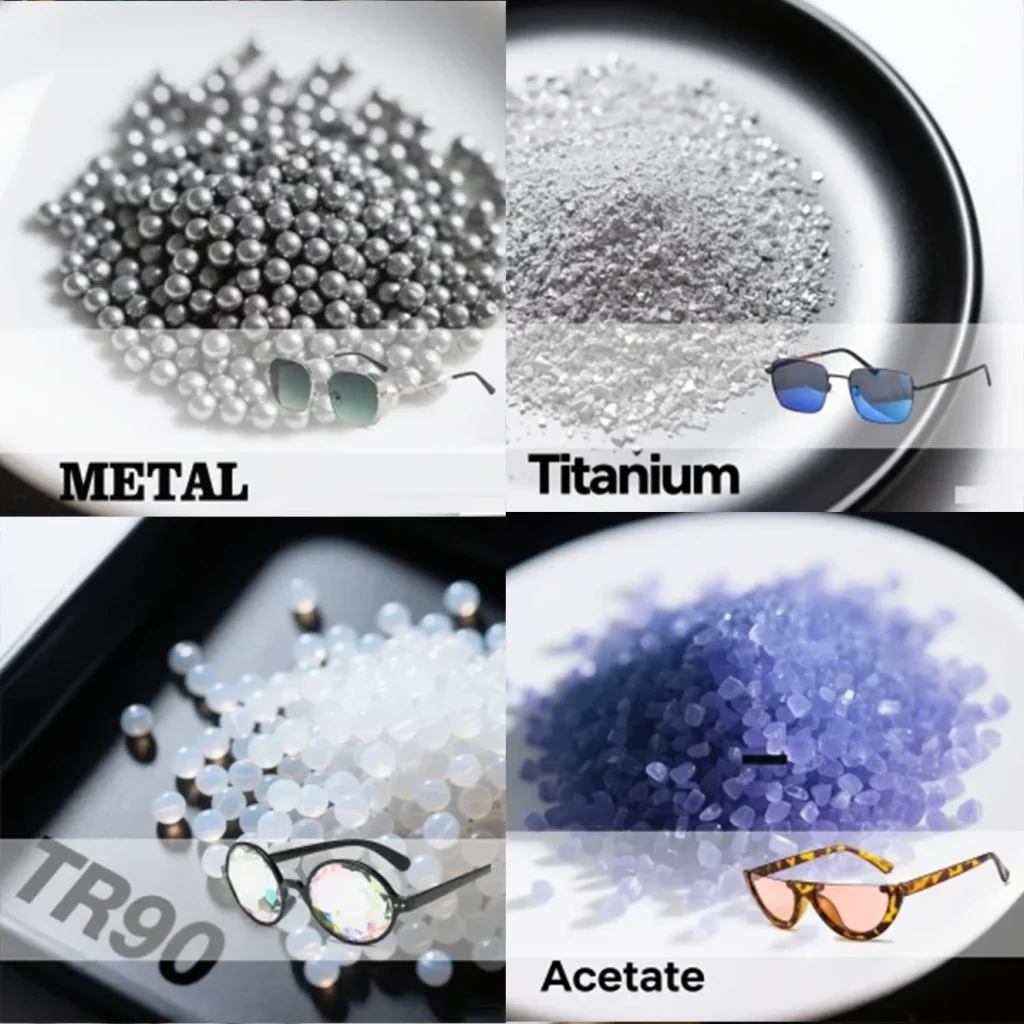
Materials That Take A Beating
- TR‑90 chassis: light, flexible, impact‑tough for daily training.
- Grilamid & nylon blends: stable in heat and cold; shape memory keeps fit.
- Hydrophilic pads: grip increases with sweat; soft touch, no sting.
- Stainless or titanium hardware: corrosion‑resistant for salt, sweat, rain.
We swap materials by market. Hot, humid regions need softer touch points; cold regions need pads that don’t turn to rock in winter. These are the tiny calls that separate a decent frame from a loyal favorite.
More detail on materials lives here: Materials & Technology.
Quality & Compliance Without The Drama
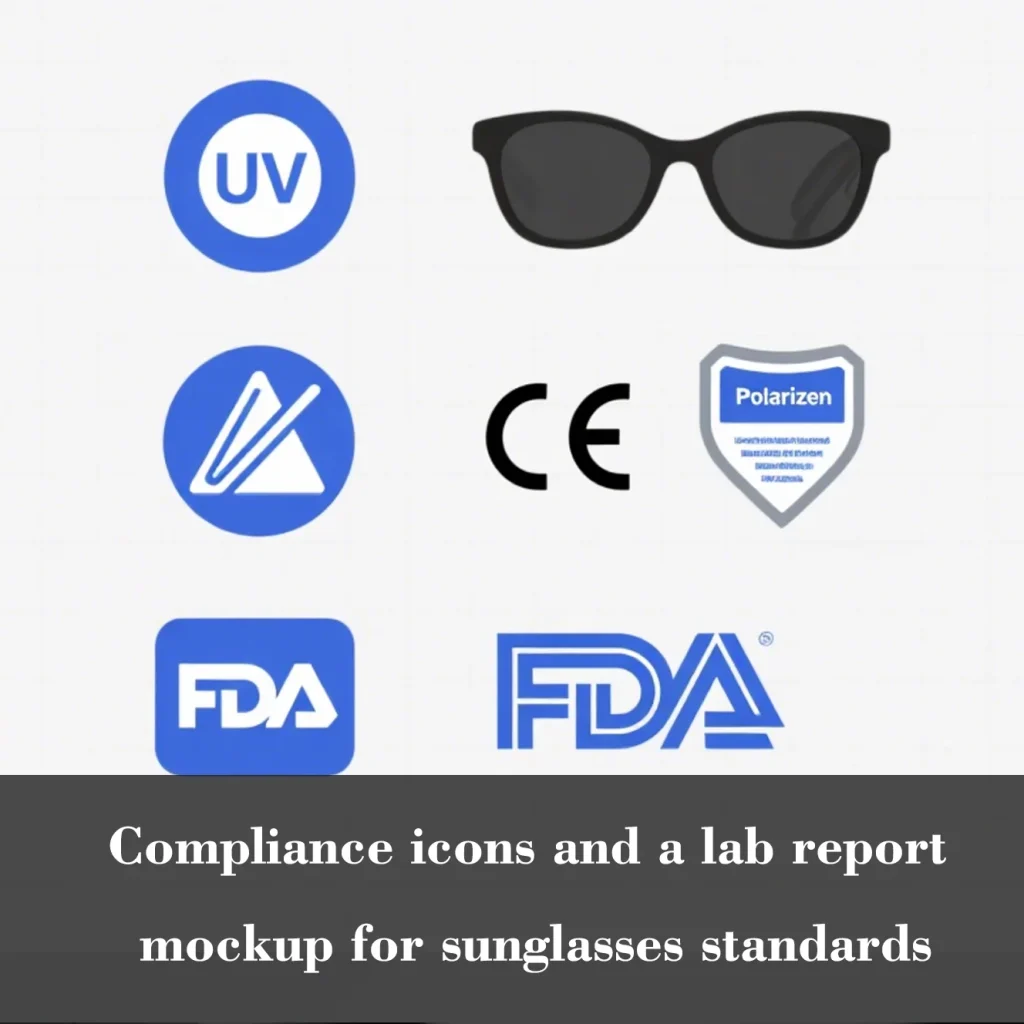
We support testing for ISO 12312‑1 and ANSI Z80.3 sunglasses performance, and follow EN 16128 methods for nickel release where relevant. Impact checks, torque windows, salt‑spray, and sweat tests happen on pilot runs so mass production stays predictable.
Paperwork flows with the product: spec sheets, lot numbers, and packaging checklists are part of the bundle. If you need third‑party reports, we arrange them. Zero surprises at customs is the target. Details live on our Quality & Certification page.

Operations, Lead Time & Smart MOQs
- Design lock‑in (1–2 weeks): CAD, vents, temple spec, lens map.
- Prototyping (2–4 weeks): ride tests in heat and cold, fog checks.
- Pilot run (2 weeks): confirm QC gates; push lenses through real sweat cycles.
- Mass production (4–6 weeks): assembly, coatings, packing.
- Logistics (1–5 weeks): air for launch, sea for scale.
For new labels, we start with tight colorways and three use cases. Typical MOQs range from 300–600 pcs per color, depending on lens tech and hardware. Split shipments are normal. Some partners arrange freight via Freightos; others prefer our door‑to‑door.
Need an end‑to‑end build? Our Custom Service connects design, packaging, and launch timing.
Packaging & Merch That Works In The Real World
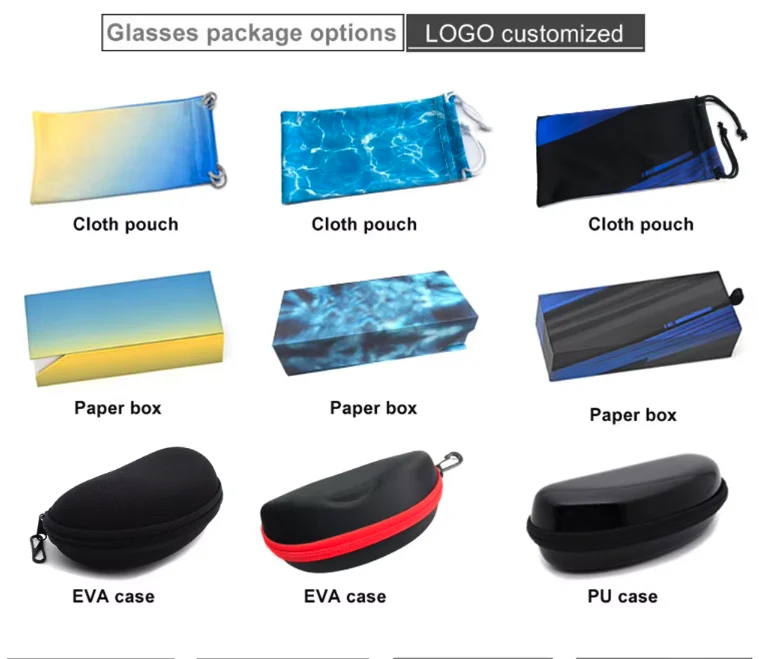
Performance gear deserves performance packaging. We use scratch‑safe inserts, water‑resistant cases, and simple fit guides. For eco briefs, we switch to recycled paper, soy inks, and minimal plastics. QR codes on the cloth wrapper can lead to lens care tips or a club signup page. Little touches reduce returns and drive community.
One retail partner added a tiny “helmet strap check” card inside the case. Returns for pressure points went down the first month. It’s not fancy—it’s smart.
Sustainability That Isn’t Just A Badge
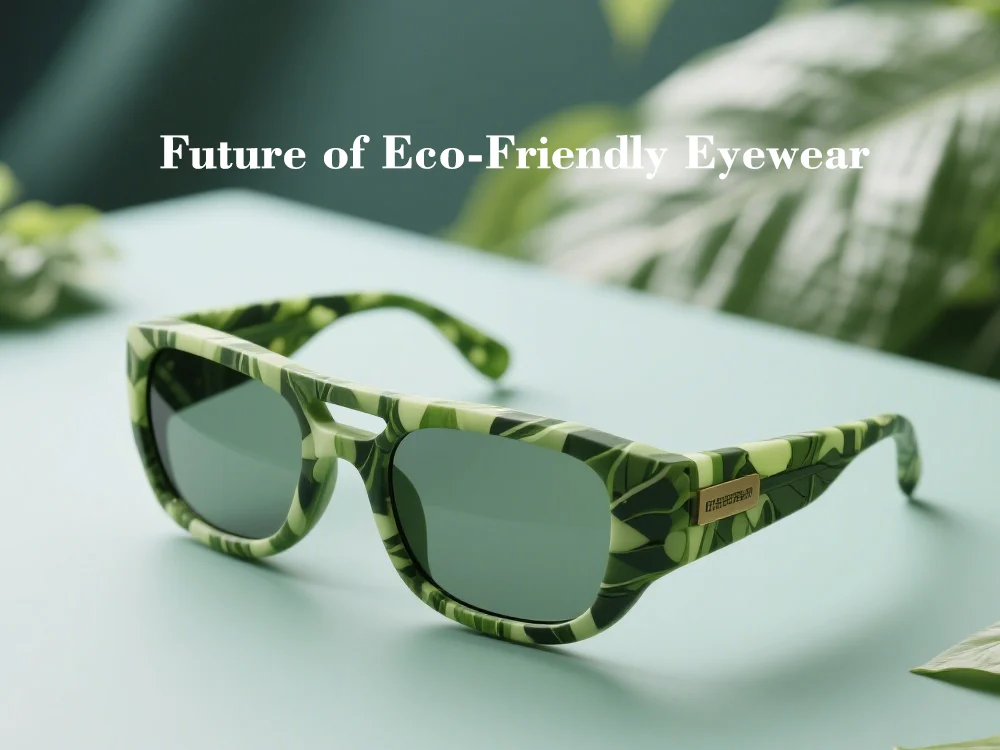
We offer bio‑based nylons, recycled cases, and reduced‑waste cutting paths. But the real work is traceability—lots, materials, and test retains so your claims stand up to questions. If sustainability drives your brand, we’ll align materials and packaging with a story that’s honest and verifiable.
Market insights on eco and style cross‑over? See Sunglasses Trends 2025.
What’s Trending In Performance Eyewear
Photochromic shields are having a moment—especially for gravel riders and commuters who move through trees and tunnels. High‑contrast brown tints with silver mirror sit right behind. On the road side, wide one‑piece shields remain strong, but compact frames are stealing share with runners who want less wind drag and an easier casual look.
Teams ask for modularity: lens swaps, RX inserts, and magnetic clips for night rides. Retailers ask for colors that cross sport and street. Our take? Launch functional heroes first, then give one fashion forward color as the conversation piece.

From Prototype To Podium: A Mini Case
A European continental team wanted a lens that kept rain beads from streaking line of sight. We paired a hydrophobic front with a micro‑etched back. First feedback: “still streaks on 12% climbs.” We added two tiny lower vents and softened the nose pad edge. Second test? Problem gone. The rider who complained the loudest became our biggest fan. That arc—from complaint to champion—is why we love this job.
More stories live on Case Studies.
Built For That Quiet Second Before You Drop In
Right before a descent, there’s a breath you take. It’s half calm, half electricity. Good sunglasses disappear in that moment. No fog, no slip, no second guessing—just you and the line ahead. That’s the feeling we chase in every prototype, every hinge tweak, every vent cut.
If your brand stands for speed, grit, and clear decisions, we’re the partner who sweats the invisible stuff so your athletes don’t have to. We’re a hands‑on sports sunglasses supplier and a practical cycling sunglasses manufacturer. And yes, we ride, run, and crash‑test our own work. Comes with the territory.
FAQ: Straight Answers
Can you produce for both cycling and running in one program?
Yes. We often share temples and grips across platforms and change lens geometry and vents by sport. It keeps costs sane while performance stays specific.
Do you offer polarized + photochromic together?
We can. It adds cost and lead time, but for mixed use—commute plus weekend trail—it’s a strong SKU.
How do you handle extreme prescriptions?
For stronger powers, we recommend RX inserts for shields and direct glaze for 6‑base models. See Prescription Sunglasses for limits and lab options.
What standards do your sunglasses meet?
We support ISO 12312‑1 and ANSI Z80.3 for sunglasses performance and provide documentation via our Quality & Certification workflow.
What’s your typical MOQ?
It depends on lens tech and hardware. A common starting point is 300–600 pcs per color. We’ll recommend a smart launch plan rather than push volume you don’t need.
Do you provide samples and color chips?
Yes. We ship T0 prototypes for fit checks, then T1 for ride tests. Color chips and mirror swatches come with the kit.
Let’s Build Your Performance Line
Tell us your courses, climate, and customers. We’ll map lens tints, vents, and grips—and ship samples that earn trust on the first ride.